
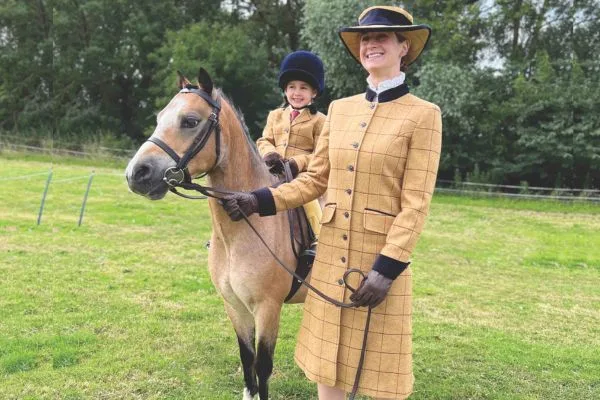
Spring into style – traditionalists to trend-seekers
As the British springtime ushers in its unpredictable weather, with a characteristic mix of chilly mornings and warmer afternoons, temperature-regulating fabrics become a cornerstone of equestrian wear. For leisure riders, competitors, and those working on the yard, clothing that adapts to changing conditions is not just a matter of comfort but also of performance and health.
Smart fabrics
Innovations in fabric technology have led to materials that respond to the wearer's body temperature and the external environment. Phase change materials (PCMs), for example, absorb, store, and release heat for optimal thermal comfort. These smart fabrics can help keep a rider cool as the body heats up during a ride and warm when the temperature drops, making them ideal for long days spent outdoors.
For leisure riders
Leisure riders need clothing that allows them to enjoy their ride without the distraction of discomfort due to temperature fluctuations. Fabrics with moisture-wicking properties draw sweat away from the body, while breathable insulation layers help regulate body temperature. Garments with these capabilities mean that a casual rider can spend hours out hacking without needing to constantly adjust layers.
For competitors
Competitors require clothing that can perform under the pressure of competition and the scrutiny of judges. Performance gear with temperature-regulation allows riders to maintain a composed and professional appearance. Jackets and breeches that balance body temperature help ensure that the rider can concentrate on their performance without being hindered by the cold or overheating.
For yard workers
For those working on the yard, durability and flexibility are also key. Fabrics that regulate temperature without restricting movement are crucial, as yard work can be physically demanding. Additionally, these fabrics need to be robust enough to withstand the rigours of daily chores while still providing comfort throughout the day's fluctuating temperatures.
Incorporating these technologically advanced fabrics into equestrian wear is transforming the way riders and yard workers dress for their day. With the UK's varied climate, investing in clothing with temperature-regulating properties means that equestrians of all disciplines can perform at their best, regardless of the weather. As the spring season approaches, it's an opportune time for retailers to stock up on these essentials, and for equestrians to refresh their wardrobes, ensuring comfort, style, and performance go hand in hand.

Colour trends
Understanding evolving colour trends is crucial for curating a compelling product assortment if clothing features heavily in your shop or online store. The upcoming season showcases a palette that seamlessly blends traditional elegance with a touch of modern vibrancy, offering ample opportunities for retailers to refresh their stock with items that resonate with their customers, both old and new.
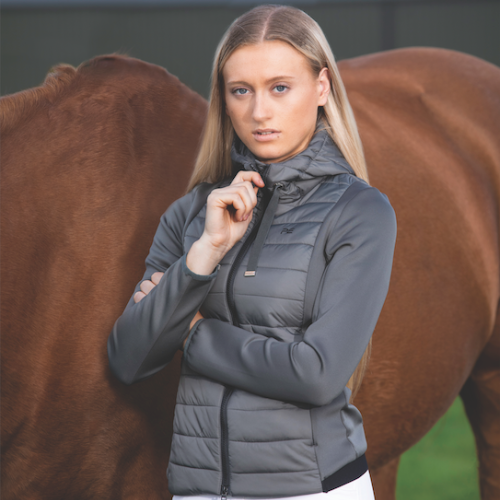
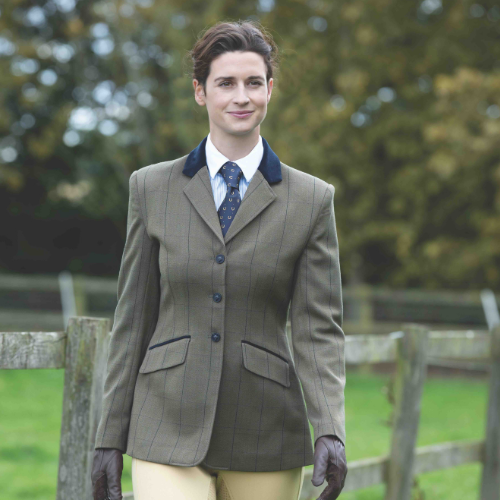
Begin with a base of olive green, beige, and burnt orange. These earthy tones reflect the natural environment associated with country and equestrian settings. Retailers are advised to stock items such as lightweight jackets, gilets, and pullovers in these hues to cater to customers seeking classic, versatile pieces that embody the rustic charm of country living.

Moving into the softer side of the spectrum, introduce soft pastels like lavender, mint green, and pale blue to capture the essence of spring. These colours appeal to those looking for a light, refreshing update to their country wardrobe. By including pastel-coloured riding shirts, casual wear, and accessories, retailers can provide perfect options for both in the saddle and everyday country pursuits.
To add a contemporary twist, vibrant pops of coral, turquoise, and bright yellow can be incorporated into traditional attire. These bold accents can serve as focal points within your product range, attracting customers eager to add a playful edge to their outfits. Sourcing accessories such as scarves, hats, and long socks in these lively colours can provide a modern update to the classic country aesthetic.
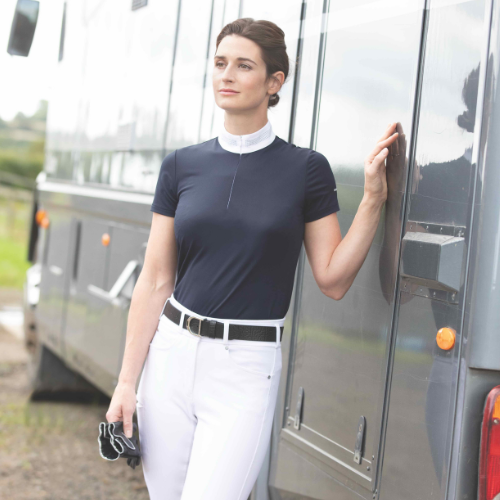
A sophisticated and versatile foundation is created with neutrals like cream, grey, and navy. These colours offer great flexibility, pairing well with both earthy tones and vibrant hues. It's essential for retailers to ensure their collections include a strong selection of neutral-coloured basics like jackets, sweaters, and breeches to facilitate effortless style combinations for customers.
Lastly, rich blues and deep greens, inspired by clear skies and lush countryside foliage, bring depth and tranquillity to the palette, especially for male customers. These colours are particularly suitable for equestrian wear, offering a nod to the sport's outdoor heritage. Retailers might want to focus on these hues for performance wear, casual jackets, and jodhpurs, ensuring offerings are both functional and fashionable.
The spring 2024 season offers a rich tapestry of colours that cater to a range of customer preferences, from the traditionalist to the trend-seeker. By incorporating these colour trends into your stock, you can appeal to the contemporary country and equestrian lifestyle, ensuring your offerings remain at the forefront of fashion while maintaining a connection to the classic roots that define our distinctive industry.
Beyond the look
Clothing that perfectly marries style with functionality is a necessity. Given the diverse demands of equestrian activities, clothing materials must meet specific performance standards. There are many terms in use that need to be clearly understood in order to offer the very best advice.
Waterproofing
Essential for keeping the rider dry, waterproof fabrics prevent water from penetrating the outer layer, ensuring the material beneath stays completely dry. While waterproof materials generally offer wind resistance, it's important to note that the converse isn't always true.
Water resistance
Often referred to as water-repellent, these materials allow water and dirt to bead and roll off the surface. Despite their efficacy in light precipitation, they might not provide complete protection during prolonged or heavy rainfall.
Wind resistance
A fully wind-resistant garment offers a shield against the chill, preventing the body from cooling down in windy conditions. However, such materials might be less breathable, potentially making them less suited for vigorous activities like riding or stable work.
Wind repellency
Offering a compromise between protection and comfort, wind-repellent clothing blocks out a significant amount of wind while still allowing for adequate air circulation. This quality makes it a preferable option for those engaged in active work around the stable or during riding sessions.
Breathability
Breathable fabrics are pivotal for maintaining comfort during physical activity, as they allow moisture vapor to escape from the inside out. This property helps to prevent excessive sweating and maintains a more comfortable and dry experience for the wearer.
UV Protection
Beyond safeguarding the skin, equestrian clothing should also offer protection from the sun's harmful UV rays. The level of protection varies based on the fabric's density and composition, with specially designed UV-protective garments capable of blocking up to 98% of UV radiation.
Stretchability (4-Way-Stretch)
Elastic materials, particularly those offering 4-way stretch, are vital for ensuring complete freedom of movement. This is especially crucial for riding breeches, which must conform to the rider's leg posture without creating discomfort or chafing. Similarly, competition jackets benefit from stretch fabrics to allow for full range of motion.
Stocking clothing that meets these functional criteria is not just about comfort or style—it's about enhancing performance and protection in the saddle and beyond. As such, equestrian clothing manufacturers are continuously innovating to provide garments that not only meet but exceed these rigorous standards.
Is bling still ‘in’?
The popularity of ‘bling’ in equestrian wear seems to have shifted over time. While it was once perhaps more prominent, the current trend suggests a more subdued approach to sparkle and shine. A decade ago, bling was very much in vogue, with the mindset that ‘there's no such thing as too much bling’. However, more recently, it appears that either the enthusiasm for heavy bling has waned or the equestrian community has become more accustomed to its presence, leading to less of a standout factor.
While bling hasn't disappeared completely and is still a part of equestrian fashion — particularly on items like hats and breeches — there is a consideration for how much is too much. In dressage, for instance, too much sparkle can be distracting, especially on sunny days where the glare can draw attention away from a horse's performance. It's suggested that those who are fond of bling, and specifically when competing, should consider if it truly enhances their presentation or if it could potentially distract from it, particularly in the eyes of judges. Many disciplines have set rules as to what is and what is not permitted.
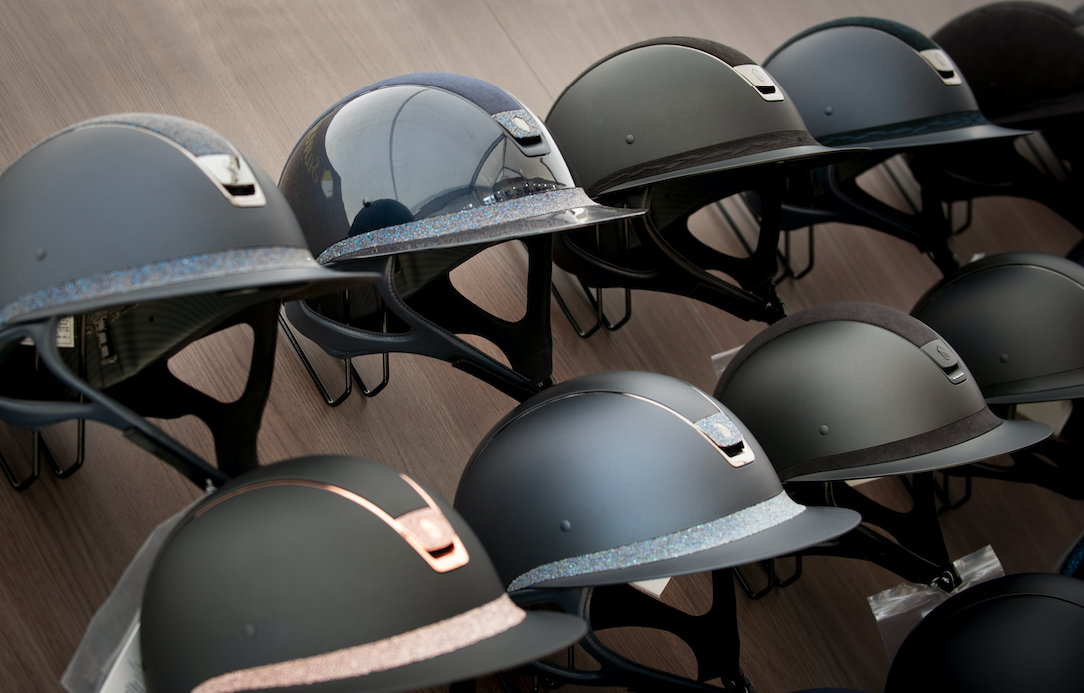
However, in other areas of equestrian attire, such as helmets, the sparkle and shine do still remain a desirable feature, adding a touch of glamour to the outfit. The move towards stylish yet functional helmets with bling elements shows that there's still a place for tasteful sparkle in the equestrian world.
Fabric technologies
As the equestrian world gears up for the spring season, the fusion of style and functionality takes centre stage with the advent of innovative fabric technologies. This season's offerings are not just a nod to the sartorial elegance intrinsic to equestrian fashion but a leap forward in performance-enhancing materials that cater to the dynamic needs of riders.
Leading the charge are the new super wicking fabrics. Designed to manage moisture, these materials are engineered to draw sweat away from the body, facilitating quick evaporation and keeping the rider dry and comfortable even during intense training sessions or competitions. This technology is a game-changer, especially during the unpredictable weather of the spring months, where fluctuating temperatures can affect performance.
Tweeds are synonymous with equestrian attire, and this season's collections have been reimagined with a lighter feel that doesn't compromise on durability. By integrating contemporary fits with traditional designs, these tweeds offer a sleek, modern silhouette while maintaining the classic charm that is a hallmark of country style. The lighter weight also means greater comfort and freedom of movement, crucial for rider agility and ease.
In response to a growing consciousness about sustainability, manufacturers are increasingly adopting eco-friendly practices. Sustainable yarns are being utilised to create fabrics that not only reduce the environmental footprint but also provide the robustness required for equestrian sports. Retailers and consumers alike can take pride in wearing products that are kind to the planet without sacrificing quality or aesthetics.
The design is in the detail
Attention to detail in design is what sets this season's equestrian wear apart. Discreet yet functional elements such as hidden zips provide a seamless look while ensuring practicality. Embellishments like crystal detailing add a touch of glamour without hindering performance, ensuring riders look as good as they feel.

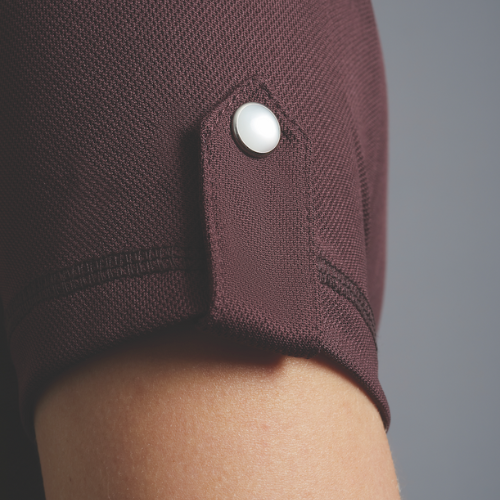

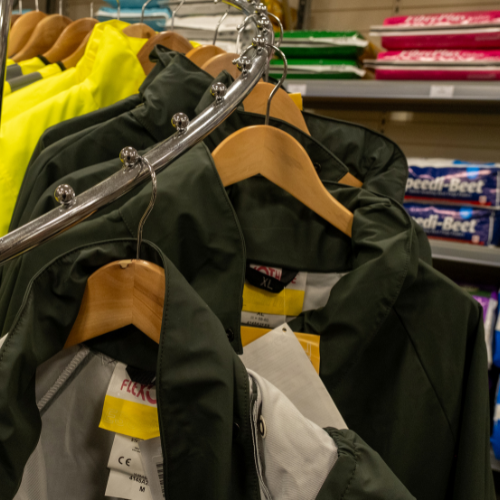
The spring equestrian season is set to be defined by these innovative fabric technologies that promise to enhance the riding experience. By blending advanced materials with refined designs, this year's apparel is poised to offer riders an unprecedented level of comfort, style, and functionality. Whether competing in the show ring or enjoying a leisurely ride through the countryside, riders can rely on their clothing to perform as hard as they do, come rain or shine.
Visual and interactive merchandising
Creating an inviting and informative in-store experience is essential for attracting customers and driving sales. The key lies in strategic visual merchandising and customer engagement that highlights the cutting-edge fabric technologies and style trends of the season.
By creating displays that artfully combine complete outfits on mannequins, retailers can demonstrate how the latest super wicking show shirts can be paired with lightweight tweed jackets and vibrant accessories. This not only showcases the functional benefits of products but also provides style inspiration. To further captivate shoppers, interactive areas where customers can touch and feel the difference between traditional and innovative materials can be incredibly effective. Accompanying information cards should clarify the advantages of each fabric, like UV protection or elasticity, making the technology understandable and relevant to the customer's needs.
Strategic product placement is also paramount. New arrivals and items with advanced fabric technologies should be positioned at eye level and in areas of the store that receive the most foot traffic.
Creating a seasonal atmosphere
Aligning product displays with seasonal promotions can significantly enhance the appeal of your merchandise. For example, as the warmer weather approaches, emphasising the necessity of lightweight gilets and waterproof breeches for the fluctuating weather not only promotes practical solutions for the season but also encourages customers to make immediate purchases.
Incorporating elements of the equestrian lifestyle, such as helmets, boots or gloves, within the display can create a more immersive shopping experience that resonates with the customer’s passion and interests. This lifestyle integration helps customers envision how the clothing would fit into their daily equestrian activities.
Empowering the sales team
A knowledgeable and engaging sales team can make all the difference. Staff training should focus on ensuring each member is well-versed in the unique selling points of the innovative fabrics and can offer personalised styling advice. This level of service adds a personal touch that can enhance customer satisfaction and loyalty.
Lastly, creating a feedback channel, either through a physical station in the store or online reviews, allows customers to share their experiences. This feedback is invaluable for guiding future purchasing decisions and optimising the in-store display strategy.
By focusing on these elements, you can forge a store environment that not only draws customers in but also educates them on the value and functionality of the products, ultimately leading to increased sales and a loyal customer base.