
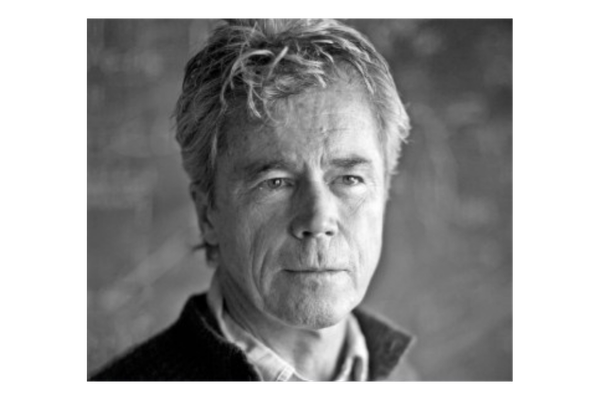
A guiding light whose vision lives on
The global equestrian community is mourning the loss of Dr Nicholas ‘Nick’ Larkins, a quietly influential figure whose work helped shape modern equine nutrition and whose legacy will continue to guide the industry for generations.
Dr Larkins passed away on 29 January 2026 following a short illness. He was 78.
Born in July 1947 to Bill and Kitty Larkins, Nick grew up in Leura in Australia’s Blue Mountains. Educated at St Ignatius’ College, Riverview in Sydney, he went on to study veterinary science at the University of New South Wales. From the outset, he showed the qualities that would define his career — intellectual curiosity, scientific rigour and a deep empathy for animals.
After meeting his future wife Miranda in 1979, the couple married in 1981 and embarked on a period of extensive travel. Working in veterinary practices across South America and the United States, from Beverly Hills and Santa Ynez to Virginia, Nick broadened his professional experience while building lasting friendships within the international veterinary community.
The couple returned to the UK in 1985, settling in Dorset where Nick established his own veterinary practice. It was here, in the late 1980s, that a meeting with Richard Cleeve proved pivotal. Their shared passion for innovation and evidence-based care laid the foundations for what would become NAF, with Nick playing a central role in shaping its scientific direction for almost 35 years.
At a time when targeted nutritional support for horses was still emerging, Nick was among the first in the UK to champion ingredients such as MSM and glucosamine. These are now widely accepted, but at the time they reflected his ability to look beyond convention and ask how horses could be supported better, more safely and in ways that aligned more closely with nature.
Nick’s work helped place robust science at the heart of equine nutrition. His research and thinking influenced approaches to joint health, gut integrity, free radical biology and the use of plant-based actives, changing how nutritional support for horses was understood and applied. He worked with universities and research institutions worldwide and published extensively from the 1990s onwards.
His expertise was also recognised at the highest levels of sport. Nick served as veterinary advisor to multiple Olympic equestrian teams across three Games, an achievement he carried with characteristic humility.
Beyond his professional achievements, Nick was known for his reflective and inquisitive mind. He had a lifelong interest in theology and philosophy and formed friendships with people from all walks of life. What united these relationships was not shared belief, but a shared respect for his openness, warmth and genuine desire to understand others.
In later years, Nick lived in Portugal and France before settling near Girona in Spain. Throughout his life, he remained anchored by his relationship with Miranda, his dedication to his work and his belief in the positive impact that science, applied with compassion, could have.
Paying tribute, Andy Richardson, veterinary director at NAF, said the team of vets and nutritionists “owe a debt of gratitude to Nick… a true inspiration whose legacy will always guide our innovation and evidence-based approach”.
Kate Hore, head nutritionist at NAF, described him as “an inspirational mentor… a brilliant scientist who applied his knowledge simply for the good of the horse”.
Nick is survived by his wife, Miranda, and by the many friends, colleagues and riders around the world who continue to feel the impact of his work. The equestrian sector has lost a visionary thinker, but his influence — grounded in science, curiosity and care for the horse — will endure.