

Bedding – staples and new standards
The horse bedding market is a crucial component of the equestrian industry, directly impacting the health and comfort of horses. In recent years, there has been a growing focus on sustainability and environmental responsibility, with more horse owners seeking bedding solutions that are both effective and eco-friendly.
As horse owners become more aware of the impact of their choices on both their horses’ health and comfort, and the environment, significant opportunities are emerging. The challenge for the retail sector is to stay ahead of trends and innovations, ensuring that the products offered meet the evolving demands of this conscientious market. This feature aims to provide you with the knowledge needed to navigate the complexities of the horse bedding market, offering insights into both traditional and emerging materials, consumer preferences, and practical strategies for effectively marketing these products. We explore the current landscape of horse bedding, examining materials that have long been staples in stables, as well as those setting new standards for sustainability and performance.
Market snapshot
The UK horse bedding market is significant, reflecting the country's large equine population and the emphasis placed on equine welfare. Traditional materials such as straw and wood shavings remain popular and widely used, particularly due to their availability and cost-effectiveness. However, there is a notable shift towards more sustainable and high-performance bedding materials, such as Miscanthus, hemp, and recycled materials.
According to recent market analysis, the global horse bedding products market is expected to grow at a steady rate, with Europe, particularly the UK, contributing significantly to this growth. The demand is driven by a combination of factors, including increased awareness of stable hygiene, the impact of bedding on respiratory health, and growing concern over environmental sustainability.
Consumer preferences
Horse owners today are more informed and discerning in their bedding choices. The primary factors influencing these choices include:
- Cost and availability: traditional bedding materials like straw are still preferred by budget-conscious customers due to their low cost and widespread availability.
- Absorbency: products like wood shavings and Miscanthus are valued for their high absorbency, which helps maintain a dry and hygienic stable environment, reducing the risk of respiratory issues.
- Dust control: dust extraction is crucial, particularly for horses with respiratory sensitivities. Bedding materials that are dust-free or treated to minimise dust, such as many branded baled bedding products, are in high demand.
- Environmental impact: sustainability is a significant concern for many horse owners. Materials that are carbon-negative and those that are biodegradable and require less frequent replacement, are increasingly popular among environmentally conscious customers.
These factors create a diverse market where no single bedding material dominates, allowing retailers to cater to a wide range of customer needs and preferences. By offering a variety of bedding options, retailers can appeal to both traditional customers and those seeking innovative, eco-friendly solutions.
Traditional bedding materials
Traditional bedding materials like straw and wood shavings have long been staples in stables across the UK. These materials are favoured for their availability, cost-effectiveness, and familiarity. However, as the market evolves, the benefits and limitations of these options are becoming more apparent to both retailers and consumers.
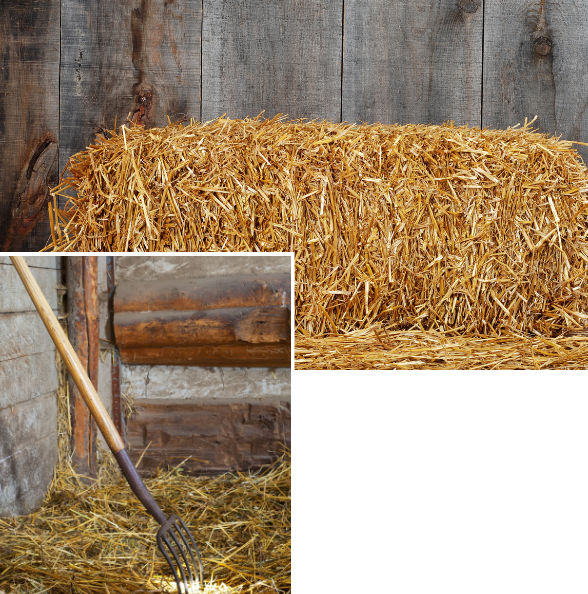
Traditional bales of straw
Benefits:
- Affordability: baled straw is one of the most cost-effective bedding options, making it popular among horse owners looking to manage expenses.
- Availability: it is widely available, especially in agricultural regions, making it a convenient option for many horse owners.
- Comfort: it provides a soft, cushioned bedding layer that is comfortable for horses to lie on, offering a natural feel.
- Biodegradability: straw is a natural product that is fully biodegradable and can be composted after use, contributing to sustainability.
Limitations:
- Dust: straw bales can be dusty, which may lead to respiratory issues in horses and is a concern for horses with pre-existing respiratory conditions.
- Ingestion risk: horses may be prone to eating straw bedding, which can cause digestive issues like colic and obesity. This requires careful management, such as using treated straw to discourage consumption.
- Absorbency: straw is less absorbent than other bedding materials, such as wood shavings or processed straw products, necessitating more frequent changes to maintain cleanliness.
- Labour-intensive: maintaining a straw bed can be labour-intensive, as it requires regular mucking out and frequent replacement to keep the stable dry and hygienic.
Processed straw products
Benefits:
- Improved absorbency: processed straw, such as chopped or pelleted straw, is more absorbent than traditional baled straw, helping to keep the stable drier.
- Dust reduction: processed straw products typically undergo dust extraction, significantly reducing the amount of dust compared to traditional baled straw, making them safer for horses with respiratory issues.
- Ease of use: processed straw products like pellets are easier to handle and store than traditional baled straw. They often require less frequent mucking out and are more efficient in maintaining a clean stable.
- Biodegradability: like baled straw, processed straw products are biodegradable and can be composted, contributing to environmental sustainability.
Limitations:
- Cost: processed straw products are generally more expensive than traditional baled straw, which may be a consideration for budget-conscious horse owners.
- Availability: processed straw products may not be as readily available as traditional baled straw, particularly in regions where straw processing facilities are limited.
- Ingestion risk: there is still a potential risk that horses might eat processed straw bedding, although most products are treated to deter consumption.
Wood shavings
Wood shavings are another widely used bedding material, known for their moderate cost and good performance in terms of absorbency and dust control. Shavings are typically made from softwoods like pine and are available in a variety of grades, from fine to coarse.
Benefits:
- Absorbency: wood shavings are more absorbent than straw, helping to keep the stable dry and reducing the frequency of bedding changes.
- Dust control: quality wood shavings are often dust-extracted, making them a better option for horses with respiratory sensitivities.
- Comfort: shavings provide a cushioned surface that is comfortable for horses to lie on, which can help prevent pressure sores.
Limitations:
- Cost: while not as expensive as some sustainable options, wood shavings are generally more costly than straw.
- Environmental impact: the environmental footprint of wood shavings can be a concern, particularly if the wood is not sourced sustainably. The production process, which involves cutting, drying, and processing wood, also contributes to the overall environmental impact.
- Waste management: used wood shavings can be bulky and may require more effort to compost or dispose of compared to other bedding materials.

Emerging sustainable bedding options
As sustainability becomes a priority for many consumers, the horse bedding market is witnessing a shift towards more eco-friendly options. Among these, Miscanthus, hemp, and oilseed rape straw are leading the way due to their environmental benefits and excellent performance. However, traditional materials like straw and wood shavings also remain viable sustainable choices when sourced and managed responsibly.
Miscanthus
Miscanthus is increasingly popular as a sustainable bedding material. Known for being a carbon-negative crop, Miscanthus requires minimal inputs like water and fertilisers, making it an environmentally responsible choice. Its high absorbency—up to three times more than wood shavings—ensures a dry, clean stable environment, which is crucial for maintaining horse health. Additionally, Miscanthus is low in dust, reducing the risk of respiratory issues for both horses and stable workers.
Hemp
Hemp is another sustainable option. Its rapid growth and low environmental impact make it an excellent choice for eco-conscious consumers. Hemp bedding is highly absorbent and dust-free, providing a comfortable and healthy environment for horses. It is also fully biodegradable, breaking down quickly and safely, making it easy to manage waste.
Oilseed rape straw
Oilseed rape straw, derived from the stalks of the oilseed rape plant, is becoming a more popular choice due to its high absorbency and sustainable attributes. This type of straw bedding is particularly noted for its effectiveness in deep litter systems, where it can help maintain a dry and hygienic environment over longer periods with less frequent mucking out. Like other straw-based products, oilseed rape straw is biodegradable and can be composted, making it a good option for environmentally conscious horse owners.
Sustainable aspects of straw and wood shavings
While Miscanthus, hemp, and oilseed rape straw are prominent in the sustainability conversation, traditional straw and wood shavings should not be overlooked. Straw, especially when sourced as a byproduct of cereal farming, is a renewable resource with minimal environmental impact. It is biodegradable and can be composted, returning nutrients to the soil. Wood shavings can also be sustainable, particularly when sourced from responsibly managed forests or as a byproduct of other industries. Both materials are biodegradable and, when properly managed, contribute to a sustainable stable environment.
The role of rubber mats
Rubber mats are increasingly popular in stables and are widely regarded as a practical addition to traditional bedding materials. They are not typically used as a standalone bedding solution, but rather as a complement to bedding materials like straw, wood shavings, or other absorbent products. The combination of rubber mats and traditional bedding can offer significant benefits in terms of comfort, hygiene, and cost-effectiveness.
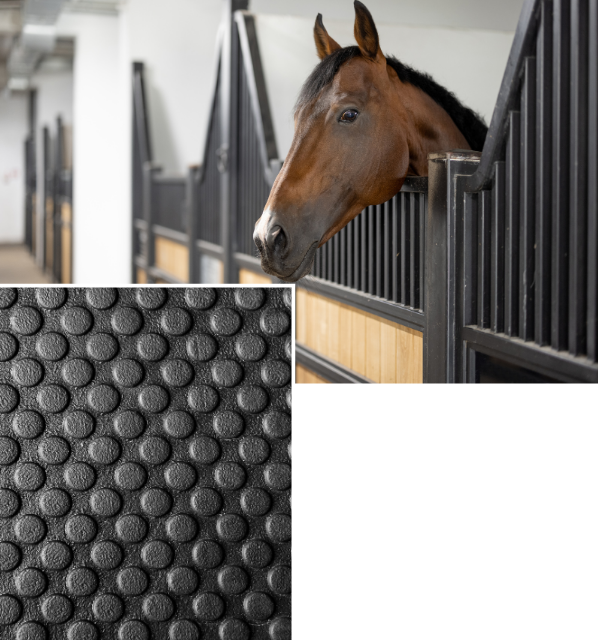
Advantages of using rubber mats
Rubber mats provide several key advantages in a stable environment. Firstly, they offer excellent cushioning and comfort. Horses that spend extended periods in their stables can develop pressure sores or joint problems from lying on hard surfaces. Rubber mats provide a cushioned layer that reduces the risk of these issues, promoting better overall health and comfort for the horse.
Another significant advantage of rubber mats is the potential reduction in bedding usage. Since mats provide a soft, insulated surface, they allow for a thinner layer of traditional bedding, which can lead to considerable cost savings. Horse owners can maintain the necessary hygiene and comfort levels with less bedding, making daily maintenance less labour-intensive and more cost-effective.
Insulation is another benefit provided by rubber mats. In winter months, stable floors can become cold and uncomfortable, potentially leading to issues like stiff joints. Rubber mats act as a barrier against the cold ground, keeping the stable floor warmer and more comfortable.
Additionally, rubber mats offer a non-slip surface, which is crucial in maintaining a safe environment for horses. Wet or damp conditions can create slippery surfaces in stables, increasing the risk of injury from slipping. Rubber mats are designed to provide good traction, reducing this risk and contributing to the overall safety of the stable.
Ease of cleaning is another practical advantage of rubber mats. They can be easily swept, washed, and disinfected, helping to maintain a more hygienic stable environment. Regular cleaning of the mats prevents the build-up of bacteria, mould, or unpleasant odours, contributing to the horse's health and wellbeing.
Considerations for using rubber mats
While rubber mats offer many benefits, there are some considerations customers should keep in mind when incorporating them into a stable management plan. The initial cost of rubber mats can be relatively high compared to traditional bedding materials. However, this cost is often offset by the mats' durability and the long-term savings on bedding materials.
Maintenance is another important aspect to consider. Rubber mats require regular cleaning, not just of the surface, but also underneath. Moisture and urine can accumulate under the mats if they are not properly lifted and cleaned, leading to unpleasant odours and potential health risks. Regular maintenance is essential to ensure that the stable remains hygienic and comfortable.
Drainage is a critical factor when installing rubber mats. Proper installation is crucial to prevent urine from pooling under the mats, which can lead to dampness, odours, and bacterial growth. Some rubber mats are designed with grooves or holes to aid in drainage, ensuring that moisture can escape and the mats remain dry and sanitary.
When using rubber mats, it’s important to remember that while they provide cushioning, they are not absorbent. Therefore, most horse owners still use a layer of traditional bedding on top of the mats. This layer of bedding helps absorb moisture, such as urine, and provides additional comfort for the horse. The combination of rubber mats and bedding materials can create an optimal environment that balances comfort, hygiene, and ease of maintenance
Retailer benefits and considerations
Offering a diverse range of horse bedding products allows retailers to cater to a broad customer base, from those who prioritise cost-efficiency to those focused on sustainability.
Profitability and margins
Sustainable bedding products, while generally more expensive, offer higher profit margins. Products like Miscanthus and hemp can be marketed as premium options, justifying their higher prices with benefits like better absorbency and reduced environmental impact. On the other hand, traditional bedding materials, which are typically lower in cost, can drive volume sales, especially in more price-sensitive markets. Balancing these two product categories can help retailers maximise both profit margins and sales volume

Supplier relationships
Building strong supplier relationships ensures consistent quality and supply, which is crucial for maintaining customer trust. Retailers should focus on sourcing from suppliers that prioritise sustainability and quality, as these factors are increasingly important to consumers. Negotiating bulk purchase discounts or exclusive deals can also help improve profitability and ensure that retailers can offer competitive pricing.
Marketing strategies
Effective marketing is key to driving sales of horse bedding products and ensuring that customers find the right product for their needs. Educational content that explains the benefits of each type of bedding can help customers make informed decisions. This can be delivered through in-store displays, brochures, or online platforms. Additionally, customer testimonials and case studies can be powerful tools for demonstrating the real-world benefits of different bedding options, helping to build trust and drive sales.
Targeted marketing campaigns
Retailers should consider segmenting their marketing efforts to target specific customer groups. For example:
- Eco-conscious consumers: develop campaigns that focus on the sustainability aspects of products like Miscanthus and hemp. Highlight their environmental benefits in both in-store promotions and online content.
- Budget-conscious buyers: for customers focused on cost-effectiveness, emphasise the affordability and availability of traditional bedding materials like straw and wood shavings, while still mentioning any sustainability improvements these products may offer.
Leveraging digital tools
In the digital age, retailers can use tools like social media, email newsletters, and online reviews to reach a broader audience. Engaging content, such as videos demonstrating how to use different bedding materials or blogs discussing the benefits of sustainable options, can attract customers and drive traffic both online and in-store. Many manufacturers are willing to provide these resources or allow their content to be shared, making it easier for retailers to educate and engage with their audience.
Future trends and innovations
As the equestrian industry continues to evolve, so too does the market for horse bedding. Retailers who stay informed about emerging trends and innovations can better position themselves to meet the changing demands of their customers and capitalise on new opportunities.
Sustainability and environmental impact
Sustainability will continue to be a driving force in the horse bedding market. Consumers are increasingly aware of the environmental impact of their choices, and this trend is expected to grow. Future innovations are likely to focus on:
- Improved biodegradability: bedding products that break down more quickly and can be composted more effectively will appeal to eco-conscious consumers. Materials like hemp and Miscanthus already lead in this area, but there is room for further innovation to make these products even more sustainable.
- Carbon neutrality: as carbon footprints become a more significant concern, there may be a push for bedding products that not only minimise environmental impact, but also actively contribute to carbon sequestration. Products that boast carbon-negative properties set a precedent for future developments in this area.
Enhanced performance
Performance improvements in horse bedding are likely to continue being a significant area of focus as the equestrian industry seeks to enhance both the functionality and convenience of these products.
- Superior absorbency: ongoing research and development efforts are likely to target creating bedding materials that offer even higher levels of absorbency. Such advancements would help maintain drier and healthier stable environments, reducing the need for frequent bedding changes. This would not only improve the overall comfort and health of horses, but also save time and resources for owners and staff.
- Advanced dust control: given the persistent concerns about respiratory health in horses, future innovations may include more sophisticated dust control technologies. These advancements would ensure that even traditional bedding materials like straw can be used safely, providing an option for horses with sensitivities without compromising their health.
Consumer demand and market shifts
Consumer preferences are likely to continue shifting towards sustainable, high-performance products. Retailers should anticipate growing demand for bedding that balances cost, performance, and environmental impact. By staying ahead of these trends, retailers can ensure they offer products that meet the evolving expectations of their customers.
Moreover, as awareness of global environmental issues increases, there may be greater pressure on manufacturers and retailers alike to provide transparent information about the sourcing, production, and disposal of bedding products. This trend towards transparency and accountability will likely shape the future landscape of the equestrian bedding market.