

Beyond the arena - the true meaning of competition ready
When we hear 'competition ready' in equestrian circles, our minds typically jump to horse and rider partnerships deemed prepared for specific competitive levels. However, this common understanding only scratches the surface of what truly makes an equestrian event possible.
The backbone of every successful competition — from local schooling shows to prestigious international championships — is a framework of meticulous organisation powered by the dedication of countless volunteers. Without their commitment, even the most prepared equestrian partnerships would have nowhere to showcase their talents. The journey to competition readiness begins long before any horse sets a hoof in the show ring. Event organisers embark on their preparation journey months or years in advance, carefully constructing the foundation upon which competitors will eventually perform. While the scale differs dramatically between a local show and global championships, the fundamental organisational structure remains remarkably similar across all levels.
This parallel extends to competitors as well. Whether preparing for a local schooling show or Olympic qualification, horse and rider combinations follow comparable preparation protocols — the difference lies not in the essential elements, but in their scope and intensity. The amateur rider conditioning their horse for a local dressage test employs the same basic principles as elite athletes, simply adjusted to their appropriate level of competition.
Guiding riders through competition preparation
Equestrian retailers serve as crucial allies for riders navigating the competition world. They provide invaluable guidance particularly to newcomers entering their first shows or those advancing to higher competitive levels. Most competitors wish to avoid investing in non-compliant equipment or inappropriate attire that might waste their resources or compromise their presentation.
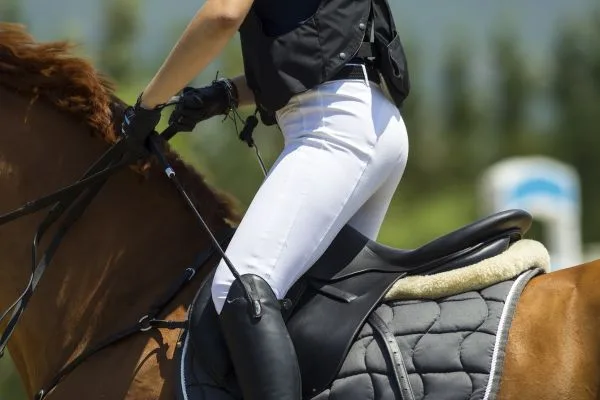
The art of proper turnout often eludes beginners, who may be tempted towards excessive embellishment. Seasoned competitors understand that elegance lies in subtlety — a perfectly fitted jacket, well-tailored breeches, a tasteful tie rather than something overly bold, and impeccably maintained boots that fit properly. Even details like buttonholes should reflect refined taste rather than ostentatious display.
Some forward-thinking tack shops have hosted educational turnout demonstrations, contrasting exemplary presentation with exaggerated examples of poor choices. These events typically generate both amusement and enlightenment, with even experienced competitors acknowledging they gained fresh insights from the professional presentations.
The diverse nature of equestrian disciplines demands comprehensive knowledge from retail staff. Every team member, regardless of seniority, must possess thorough understanding of current regulations governing tack and equipment, including recent rulebook amendments. The advice given to a weekend rider deserves the same accuracy and professionalism as that offered to an elite competitor. Retailers build their reputation through consistent reliability — a foundation that develops customer loyalty, but can be instantly damaged through poor service.
Personalised approach
Effective retail consultation often involves discussing various brands and price points with sensitivity to individual circumstances. The premium option isn't necessarily appropriate for occasional competitors with modest budgets. Customers appreciate retailers who genuinely consider their specific needs rather than automatically recommending the most expensive alternatives. This personalised approach often transforms the retailer-customer relationship into something akin to friendship, ensuring both loyalty and valuable word-of-mouth recommendations.
While new equipment holds undeniable appeal, certain items perform better after gentle breaking-in — saddles, bridles, leather boots, headcollars, brushing boots, gloves and hats often improve with use. Some riders develop almost superstitious attachments to favourite competition gear, believing these items enhance their performance. While it's generally unwise to challenge such convictions, safety concerns with aged protective equipment should be tactfully addressed.
Curiously, some riders resist trying on equestrian clothing in shops, despite willingly spending hours testing regular fashion items elsewhere. Persuading these customers to properly fit their competition attire is worth the effort — even small adjustments can significantly improve both appearance and function. A jacket that's slightly too short creates an unflattering silhouette for any rider, while tall, slender competitors particularly suffer from ill-fitting attire. Conversely, shorter riders gain no advantage from jackets so long they're sitting on the hem. Progressive retailers often provide life-sized model horses for mounted fittings — a time-intensive service that generates enthusiastic customer recommendations. After all, an impeccably presented rider becomes the shop's finest advertisement.
Talking tack: the foundations of performance
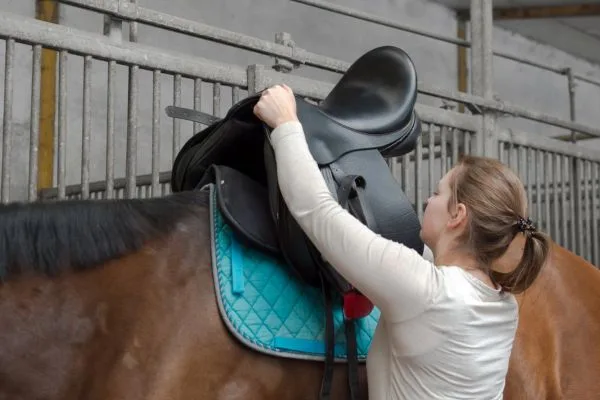
The saddle represents perhaps the most crucial investment in a rider's equipment arsenal, directly influencing competitive performance. Proper fitting by a Society of Master Saddlers' qualified professional is essential for every individual horse. Retailers without in-house qualified fitters would be wise to establish partnerships through the Society of Master Saddlers, creating a valuable referral network that benefits both parties. These relationships can develop into mutually beneficial arrangements where master saddlers might conduct regular fitting clinics at retail premises, giving customers access to expert services while bringing potential new clients to the retailer's doorstep.
A properly designed and fitted saddle serves dual purposes — enhancing performance while simultaneously elevating the aesthetic presentation of the partnership. The market continues to expand with discipline-specific saddles designed to meet the unique demands of various equestrian pursuits, from dressage to jumping, eventing to showing. Each specialty saddle offers distinct features tailored to optimise specific movements and positions required by different disciplines.
For dressage competitors, saddles with deeper seats, longer, more vertical flaps and straighter cut panels help maintain the correct position for precise movements. Jumping saddles feature forward-cut flaps, shallower seats and panels designed to accommodate the horse's scapula movement during take-off and landing. Event riders frequently require versatile saddles balancing both dressage and jumping elements, while traditional showing classes often demand classic styling that complements the horse's conformation.
Every piece of equipment, regardless of price point, should be thoughtfully designed to meet the horse's needs perfectly. Even seemingly minor items like saddle pads deserve careful consideration — those featuring breathable, non-slip properties significantly reduce injury risk compared to inferior alternatives. Modern technology has revolutionised this sector with innovative wicking fabrics, shock-absorbing materials and pressure-dispersing designs that contribute meaningfully to equine comfort during competition.
Correct fit
The ideal equipment fits so anatomically correctly that it becomes almost an extension of the horse, simultaneously improving performance and supporting equine wellbeing. This principle applies across all tack elements, creating a harmonious system where each component complements the others. A poorly fitting saddle cannot be compensated for with the finest girth or most technologically advanced pad — each element must function optimally within the integrated system.
Bridle selection - the art of complementary design
Bridles represent another fundamental component requiring meticulous attention to sizing, fitting, and rule compliance for specific disciplines. While manufacturers offer comprehensive ranges of complete bridles suitable for most horses, many also provide excellent ‘mix and match’ components that can be assembled into bespoke solutions for individual animals. This customisation extends to browbands, nosebands, cheekpieces and throatlatch elements that can be selected to accommodate specific conformational needs.
This variety should theoretically make bridle selection straightforward, but this assumes sufficient knowledge on the owner's part — an assumption that frequently proves unfounded. Many riders focus exclusively on bridle function without considering the aesthetic impact on their horse's appearance. Others may prioritise decorative elements without sufficient attention to proper fit and comfort.
Bridle wisdom
Retailers play a crucial role in preventing potential presentation disasters. While proper fit remains paramount, the materials, colour, and style selections can dramatically impact the horse's appearance either positively or negatively. A knowledgeable retailer should guide customers through considerations such as the width of leather appropriate for different head sizes, proportions that flatter rather than overwhelm, and noseband styles that complement facial structure.
Many owners simply lack understanding about matching bridle styles to their horse's breed and type. Common mistakes include selecting overly delicate bridles for cob types (attempting to ‘prettify’ them) or conversely, fitting substantial hunter-style bridles to refined show ponies or hacks. These mismatches create visual imbalance that detracts from the overall presentation, potentially influencing judging decisions in competition settings.
Though manufacturers provide helpful guidelines, forward-thinking retailers might consider creating visual references showing various horse types properly fitted with appropriate bridles, demonstrating how thoughtful selection enhances natural attributes. Such resources could include before-and-after photographs highlighting the dramatic impact appropriate bridle selection can have on overall presentation. These visual guides serve as powerful educational tools while simultaneously showcasing the retailer's expertise.
Journey to success — safe and prepared travel
First-time competitors and even seasoned campaigners frequently overlook crucial elements when preparing to transport horses to competitions. Whilst equine travel within the UK remains relatively straightforward, discipline-specific requirements such as vaccination protocols are rigorously enforced. Different governing bodies maintain distinct requirements — British Dressage, British Showjumping, British Eventing and showing societies each establish their own vaccination protocols and documentation standards.
Retailers should emphasise the importance of carrying all relevant documentation to address potential queries — comprehensive details can be found in the appropriate governing body rulebooks. A practical suggestion might include creating laminated card systems containing vaccination records, membership details and emergency contacts that can be easily accessed when needed. These systems protect vital documents from weather damage while ensuring they remain readily available.
Emergency preparation often falls victim to oversight. Crucial items frequently forgotten include contact directories with emergency numbers, mobile phone chargers, and basic stationery for note-taking. First-aid kits for both equine and human use require regular inspection, with outdated or depleted items promptly replaced. Retailers might offer seasonal ‘competition preparation’ promotions featuring discounted first-aid supplies and travel essentials, encouraging customers to review and update their emergency resources.

These kits should contain comprehensive information regarding equine vaccination histories, any known allergies or intolerances, and contact details for preferred veterinary and medical practitioners. For horses requiring medication, emergency administration instructions and dosage information should be clearly documented. Retailers might offer template systems for organising this information efficiently, perhaps incorporating waterproof document storage solutions.
Similar details pertaining to the rider should be readily accessible — emergencies demand immediate response without time-consuming searches for vital information. All accompanying support personnel should be briefed on the location of this critical information. Some forward-thinking retailers now offer specialised medical information bracelets or tags that can be attached to rider equipment, providing crucial details should an accident occur.
Weather contingency planning
Perhaps the most overlooked aspect of competition preparation involves contingency planning for dramatic weather changes. Few experiences match the discomfort of competing in saturated breeches following unexpected rainfall or sweltering in inappropriately heavy attire during unseasonable heat. The unpredictable British climate demands comprehensive preparation addressing multiple weather scenarios.
While experienced competitors understand the wisdom of preparing for all eventualities — both for themselves and their equine partners — small yet crucial items like hairnets or fly fringes often escape attention. Retailers might develop seasonal checklists incorporating discipline-specific requirements alongside weather contingency items, ensuring customers arrive at competitions fully prepared regardless of conditions.
Summer competition preparation should address heat-related challenges, including fly protection, cooling products and lightweight alternatives to standard competition attire. Retailers might assemble collections featuring heat-appropriate competition essentials — from technical fabric stock ties to lightweight jackets meeting competition standards while offering enhanced comfort during warm weather.
Conversely, winter competition planning requires attention to warmth, water-resistance and visibility during limited daylight hours. Retailers could develop cold-weather competition collections featuring appropriate layering systems, weatherproof storage for equipment, and technological solutions for warming muscles before competition classes. Educational materials addressing competition-legal warming techniques and appropriate quarter sheet usage demonstrate practical knowledge that enhances customer preparation.
Supporting the support team — the unsung heroes
Every competitor, regardless of level, relies on support personnel. While these helpers may themselves be experienced equestrians, they sometimes include well-intentioned relatives or friends with limited equestrian knowledge embarking on what proves to be a demanding role. These individuals form an essential component of the competition ecosystem yet frequently receive inadequate preparation for their responsibilities.
One inventive competitor developed a comprehensive checklist detailing essential items helpers should bring — including weather-appropriate clothing options. She supplemented this with a chronological task schedule beginning from yard arrival through to competition conclusion. This methodical approach ensures helpers understand their role within the broader competition strategy, preventing miscommunications during high-pressure competition environments.
This exemplary approach offers retailers an opportunity to create customised checklists as value-added resources for their customers, enhancing service while demonstrating commitment to their competitive success. These resources might address discipline-specific requirements while incorporating general guidelines applicable across competition types. Digital versions could be offered through retailer websites or social media platforms, providing valuable content while driving customer engagement.
Preparation beyond equipment: training for success
Comprehensive preparation extends far beyond equipment acquisition. Structured training plays a fundamental role in competition readiness, creating the foundation upon which equipment effectiveness ultimately depends. The most exquisite saddle cannot compensate for inadequate preparation, nor can the finest bridle replace systematic training addressing competition-specific requirements.
Elite riders frequently expose young horses to varied environments, systematically acclimatising them to novel stimuli and environmental challenges. This progressive approach builds confidence through positive experiences, gradually introducing elements commonly encountered in competition settings. Transport familiarity develops through progressive exposure — horses experiencing regular short journeys typically arrive at destinations more composed and mentally prepared than those rarely travelled.
Retailers can support this process by offering products specifically designed for environmental desensitisation — from simulated crowd noise recordings to competition-environment training tools. Educational resources addressing progressive training techniques demonstrate the retailer's holistic understanding of competition preparation, positioning them as partners in the developmental process rather than mere equipment suppliers.
Participation in smaller, well-organised competitions provides invaluable educational experiences for both horse and rider. These environments offer realistic challenges within supportive settings, allowing partnerships to address issues before advancing to higher-pressure environments. Retailers might consider sponsoring such opportunities, creating goodwill while showcasing their products in authentic competition contexts.
Seasoned trainers consistently emphasise two principles: competing horses slightly below their training level builds confidence, and when challenges arise, temporarily stepping back a level often provides the fastest route to consistent progression. These wisdom-filled approaches prioritise sustainable development over immediate results, creating resilient partnerships capable of long-term success. Retailers who understand these principles can provide more nuanced equipment recommendations supporting this developmental philosophy.
Building community through competition support
Attentive retailers recognise the value of following up with customers' competition experiences. Creating dedicated display areas where customers can showcase competition photographs and results fosters community while simultaneously demonstrating the retailer's role in facilitating competitive success — a powerful marketing strategy requiring minimal investment.
These celebration spaces might incorporate seasonal themes or discipline-specific displays, perhaps highlighting local championships or qualification achievements. Digital extensions through social media platforms expand reach beyond physical premises, creating broader community engagement while showcasing the retailer's customer-centred approach.
Equally important is encouraging riders who experienced disappointment, emphasising the valuable learning opportunities inherent in every competition experience. This personalised attention resonates strongly with adult customers, not merely younger riders — everyone appreciates recognition and supportive feedback. Retailers demonstrating genuine interest in their customers' journeys build relationships transcending traditional commercial boundaries.
Some innovative retailers have developed ‘Competition Analysis Journals’ helping riders document their experiences systematically, identifying patterns contributing to success or highlighting areas requiring development. These thoughtful tools support continuous improvement while creating additional touchpoints between retailer and customer. Such resources demonstrate commitment to customer development beyond immediate sales objectives.
The retailers who understand that their role extends beyond equipment provision to encompass guidance, education, and community-building position themselves not merely as vendors, but as essential partners in their customers' competitive journeys. This comprehensive approach creates sustainable business models built upon authentic relationships rather than transactional interactions, generating the loyalty and word-of-mouth recommendations vital for long-term success in an increasingly competitive retail landscape.