
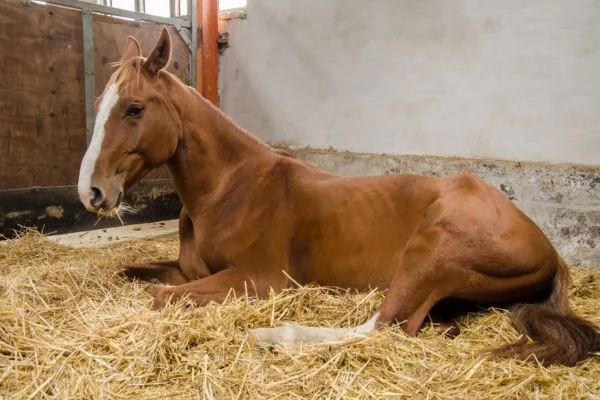
CVS Equine launches comprehensive study on colitis in adult horses
CVS Equine has initiated a significant research project to investigate the clinical and clinicopathological features, treatments, and outcomes of colitis in adult horses in the UK. This in-depth study is led by Tim Mair, CVS Equine Veterinary Director and Specialist in both Equine Internal Medicine and Equine Soft Tissue Surgery at Bell Equine Veterinary Clinic.
Colitis, an inflammation of the large colon, is a severe and life-threatening disease in horses. Symptoms include diarrhoea, rapid dehydration, and toxicity, which can lead to severe shock, multi-organ failure, and death. While North American studies indicate a 50% mortality rate among affected horses despite treatment, there is limited data specific to the UK.
Tim Mair highlighted the critical need for this research, stating, “Acute colitis accounts for around 5% of admissions to referral hospitals. And of those who are referred with it, half will not survive but there is very limited evidence available. So it’s vital that we build our evidence-base of this life-threatening condition. We hope that the outcomes of our new study will lead to a greater understanding of the causes and better inform veterinary treatment of colitis in UK adult horses.”
The study aims to review 100 cases of colitis and 100 control cases referred to seven equine veterinary hospitals in the UK, including five CVS Equine hospitals, Rossdales Equine Hospital, and the University of Liverpool’s equine hospital.
A comprehensive set of diagnostic tests on blood and faeces will be conducted, including:
- Small redworm serology
- Culture and PCR of faeces for Salmonella spp
- PCR of faeces for Clostridioides difficile and Clostridium perfringens
- ELISA of faeces for toxins of C. difficile and C. perfringens
- PCR of faeces for coronavirus
The study will document clinical features, laboratory results, treatments, and outcomes to identify the underlying causes and effective treatments for colitis in horses.
The Colitis in Adult Horses study is supported by a research grant from CVS, with additional funding for the small redworm ELISA provided by Austin Davis Biologics. The study commenced in early 2024, and the first horses have already been recruited. Results are anticipated to be published in 2025.