


Regardless of the level at which a horse is working, there are many things to consider when feeding for performance. Be it a high-level competition horse or a novice combination just beginning their journey, a horse’s diet should provide the necessary vitamins and minerals to fuel exercise adequately.
“Electrolyte status, hydration and gastrointestinal function can all be affected by feeding and management which will in turn impact on a horse’s performance. It is important to ensure the horse has the correct balance of nutrients and the right level of energy,” said Steph Mapletoft MSc Equine Science from The Pure Feed company.
Replenishing stores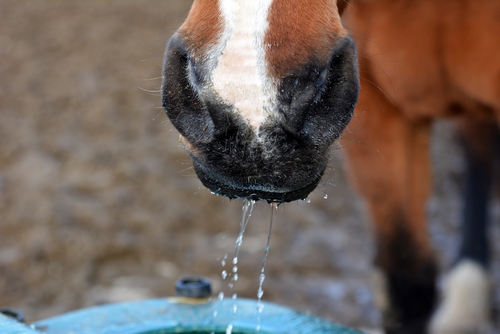
“Ensuring a good forage intake can help to delay the signs of dehydration as forage in the hindgut traps water and electrolytes, which can be called upon during exercise,” continues Rachel. “When horses sweat, they lose electrolytes and water, which can cause early muscle fatigue, reduced stamina, muscle cramps, dehydration and slow recovery rates.”
It is essential that customers ensure their horses always have access to clean fresh water, especially whilst competing and travelling. It is very common for horses to be reluctant to drink whilst away from home, therefore it would pay to stock a range of soaked fibre-based mash products for customers with fussy horses that need more incentive to drink in order to aid rehydration and to replenish electrolytes. Rachel advises, “Feeding salt on a daily basis (we recommend 1 - 2 tablespoons daily) as well as a specific electrolyte supplement after travel and strenuous exercise will help to increase the natural thirst response reducing the risk of poor recovery rates due to dehydration.”
Electrolyte science
“It is advisable to supplement the horse’s diet with electrolytes (including sodium, chloride, potassium, calcium and magnesium) as horses cannot generate them naturally themselves. Some electrolyte supplements use ‘micro-bead’ technology which means they have a fat coating. This significantly improves efficiency and palatability. It helps to ensure that the electrolytes reach the small intestine to be absorbed, where they can have maximum effect. The fat coating also means that the electrolytes do not irritate the stomach lining. Palatability is improved with fat coated electrolytes as the coating reduces the salty taste. This makes the need for additional sugar to encourage ingestion of the electrolyte redundant and thus makes them suitable to feed to horses that need a low sugar diet,” comments Steph.
Stocking a variety of electrolyte products, such as granules, powders and liquid forms, to appeal to every type of eater, is a good decision. Ensure that you offer some electrolytes that can be given in feed as well as in water too to cover all bases. Electrolytes in the form of syringe/shots are also crucial for those doing extensive travelling or competing. They are ideal for those horses that will not voluntarily drink or eat additives in feed, permitting horse owners to ensure quick administration whilst on the move.
 Energy requirements
“Energy can be provided in two ways; through slow release sources such as fibre and oil or through fast release sources such as cereal grains. The type of energy required will depend on an individual horse’s temperament and the type of work it is in,” explains Steph. “Feeding for performance means ensuring the horse or pony is receiving the required diet to allow it to perform at the owner’s level of choice. “If a horse is overweight, encouraging weight loss and increasing fitness levels will be key in supporting an improvement in energy levels. Feeding a good quality performance balancer, to supply all the nutrients the horse needs but in a low-calorie feed, will be ideal,” explains Rachel.
For a horse that is at an ideal weight and is fit enough for its current workload, owners should consider its temperament to decide what type of traditional competition feed is suitable. For a horse lacking in stamina, Rachel suggests customers look for “feeds containing high levels of digestible fibre and oil to provide long lasting, slow release energy.” For those horses that need more instant energy, she says to “look for feeds containing cereal grains, such as oats, barley or maize, to provide fast release energy from starch.”
Stocking a variety of different feeds to suit all types of horse and ponies will allow customers to easily compare product prices and nutritional information. It may be worth displaying feeds in store by type rather than brand so customers looking for a specific type of feed can find it all in one place.
Fitter can mean fussier
It is common (especially in racehorses) that some horses start to desire less hard feed as they become fitter. “Horses that do not eat their full intake of hard feed will struggle to develop and maintain fitness levels and are likely to lack topline and muscle. Feeding a low intake performance balancer, ensures the full spectrum of vitamins, minerals and quality protein is provided, in only a small quantity of feed. This ensures optimal micronutrient intake without over-facing the horse with a large quantity of feed. Some feeds also included added flavours, such as mint or blackcurrant, to tempt even the fussiest of eaters”, said Rachel.
Balancer buzz
Including a balancer in the horse’s feed will also help to ensure that the horse is getting its important daily nutrients including vitamins, minerals and amino acids. It will also provide important antioxidants such as Vitamin E and selenium.
Bodyweight is one of the best indicators of the accuracy of the diet. Where energy intake is too low, bodyweight will decrease, and the horse will eventually appear to be losing weight as well as lack energy. However, if feed intake is too high, then the horse’s bodyweight will increase, and it will soon become overweight or will begin to show behavioural changes such as excitability and spookiness due to excess energy/cereal in the diet.
Rachel advises that horse owners body score their horses regularly. This involves looking and feeling their horses and noting their findings against a chart. Retailers should also think about stocking weigh tapes to allow customers other options of weight management in case they prefer taking weights by numerical value.