
Equine Nutrition – A balancing act
Maintaining a happy, healthy horse sounds simple, but a change in environment, temperature, work load, feed and stress levels can change a horse’s digestive health in a matter of hours. Horses are poorly designed and with such a vast digestive tract, it’s no wonder that when an issue arises, it can escalate quickly.
How vast?
If it were to be stretched from end to end, the horse’s digestive tract would measure about 100 feet in length! Most of this is intestines. This, paired with the fact that the oesophagus only works in one direction so horses cannot vomit, means that a digestive upset can cause serious problems for the horse.
Cruel to be kind
Due to the availability and huge choice of hard feeds on the market, one of the most common issues among horse owners is they simply feed too much. (Surprisingly, a horse’s stomach can only hold about two gallons, which is quite small when compared to other parts of the digestive system.) We humans know what food is good for us and what isn’t. We like to indulge in a sweet treat, but understand that too much of anything isn’t good for us. The same goes for the horses.
According to equine welfare charities, the greatest threat to horses in the UK currently, is obesity. For a while now, vets have been concerned at the growing numbers of overweight horses. People are now realising ‘little and often’ is the correct way to feed, and that gastric ulcers are very common in the majority of horses, and should be prevented/ managed by providing ad-lib forage. However, this has led to increased feed levels that haven’t been implemented correctly and haven’t been balanced out by an increased workload.
The dramatic increase in rates of obesity is multifactorial. It is common to see overfeeding by owners who consider horses members of their family and enjoy spoiling them. This is a problem common to dogs, cats and other pets too.
Too much starch
Starch can be damaging if fed in excess, but it is a vital part of the diet. It is digested in the small intestine, which produces glucose (sugar). This is stored in the muscles as glycogen, ready to be used to fuel exercise and normal bodily functions. Cereal feeds have high levels of starch and it’s in lower volumes in forage and grass, so knowing when and how to feed it is important.
High-starch diets do pose risks to the horses’ digestive system. If its fed in excess, there is a danger that it will reach the hindgut undigested, which leads to the enzymes and absorptive processes not coping with the amount sugar in the gut. This disruption of the balanced bacterial environment can cause death to the fibre-fermenting bacteria and a release of endotoxins which can cause colic, hindgut acidosis and laminitis. Therefore, high-starch diets are not recommended for horses with metabolic and muscular problems, including EMS, Cushing’s and Rhabdomyolysis. Horses on high-starch diets will be more likely to suffer from gastric ulcers too.
If a horse needs a high-starch diet – remind customers that they should feed smaller feeds more frequently rather than two big ones. It’s also advisable to feed this with some fibre to slow the digestion process, giving the body more time to break down the starch.
When starch is fermented, one of the main end products is lactic acid. In the small intestine this is used by bacteria for other things, but this doesn’t happen in the hindgut – starch reaching this area undigested will produce lactic acid. Too much lactic acid causes the muscles to lose their ability to contract and relax properly. In this state, the muscles stay contracted/tied up.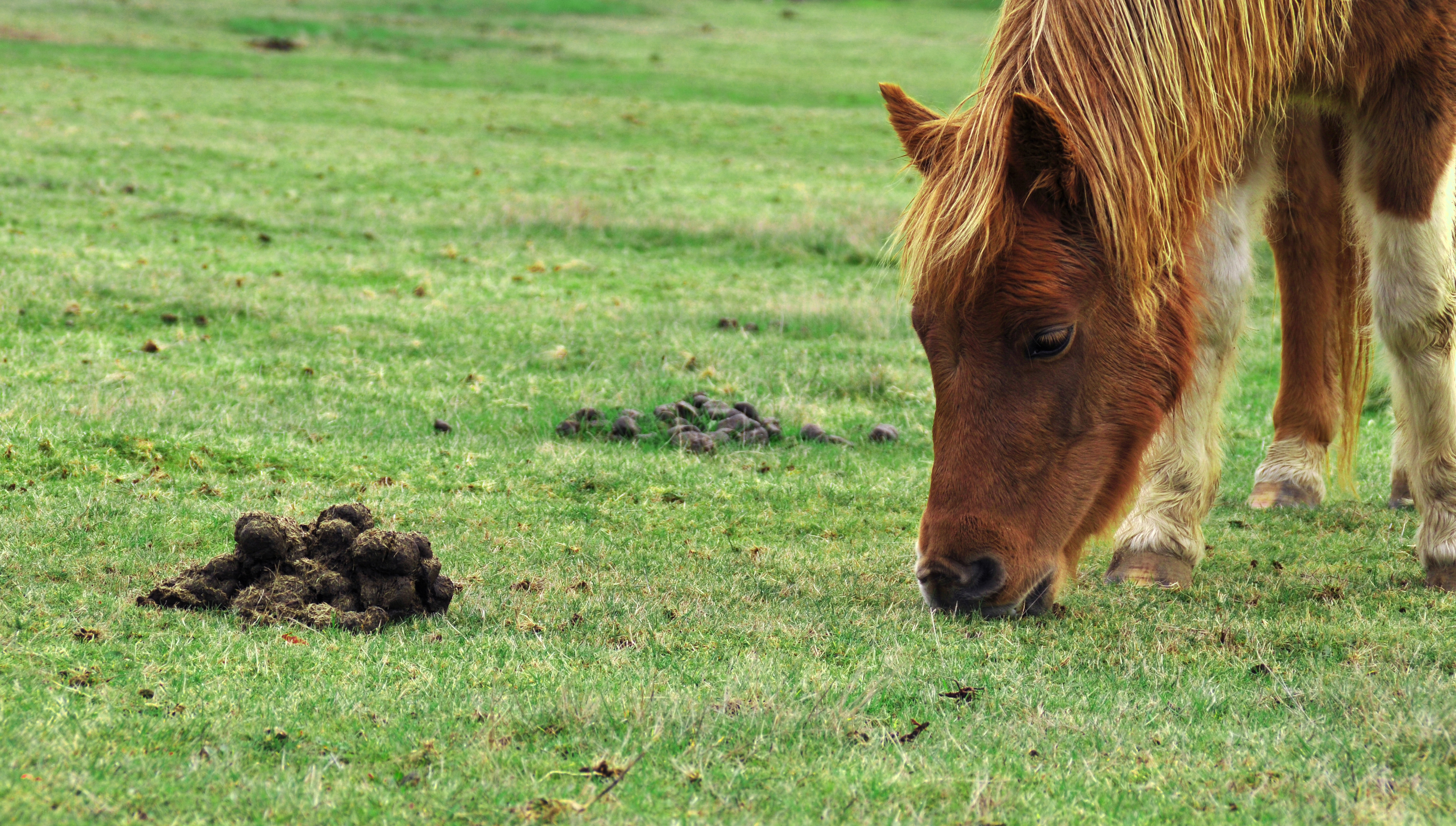
Tying Up
High starch levels are also linked to Equine Rhabdomyolysis (ERS) or ‘tying up’ in horses. This is a condition that causes the muscles running over the hind quarters to tighten and cramp. Although the signs of swelling, stiffness and soreness in the affected muscles are well known, the exact underlying causes of tying-up are not fully understood. However, management practices and nutritional deficiencies are strongly suspected of being the root cause.
It is not uncommon for horses to tie-up after a couple of days of rest on a full cereal (starch) ration, or to tie-up in early training when pushed too hard, too quickly. Tying-up is most common in poorly conditioned horses that are given high energy rations in excess of their exercise needs, particularly those given irregular exercise due to minor lameness, bouts of wet weather, or when travelling.
Horses that are dehydrated and are deficient in magnesium or selenium, sodium or potassium caused by excessive sweating or those grazing pastures low in selenium, are reported to be more likely to tie-up too, therefore advise customers to think about adding a full vitamin and mineral supplement to their horse’s diet if they are prone to tying up.
Too much protein
Protein is crucial in the diet to aid normal bodily functions. Without proteins, DNA, enzymes, and hormones would not exist as these substances are primarily composed of proteins. Life cannot be sustained without protein but balance is the key.
Too much protein in the diet, like starch has side effects. Also known for contributing to ‘tying up,’ protein, over time will break down the tissues, organs, and the structure of the body. Excess protein poses greater risks of contracting diseases, and to be predisposed to other symptoms such as hypothyroidism, kidney problems, and arthritis for example. However, owners must be careful to feed a diet that is no higher, as a general rule, than 12% total protein.
Diets that exceed 12% protein levels cause the body to become overly ‘acidic.’ Feeds when digested are either acid forming or alkalizing to the system. Alfalfa, soy, grains and other protein rich feeds are acid forming, whereas most grass hays, fats and minerals are alkalizing.
When the diet exceeds optimum protein levels, the top priority of the body is to keep itself alkaline (apart from the stomach acid). When the body has to deal with excessive protein it goes into “emergency buffering or alkalizing” mode and it has several buffering mechanisms available to offset the negative effects of over-acidity. The heart cannot beat correctly in highly over-acid body and the organs must be bathed in an alkaline fluid.
Added Precautions
In order to dilute the acid, the horse’s body will try to retain water and this leads to the owners mistaking the horse for being in “good condition”. Once the protein has been removed from the diet, the horse will urinate excessively, and can lose nearly all condition within a couple of days, to a few weeks. They are not losing lean muscle tissue, they are losing the retained water.
In a highly acidic environment, the body tends to have a lowered resistance to parasites and diseases. Too much acid in the intestines will cause the good gut bacteria to go into dormancy and even die, while bad bacteria thrives. Good bacteria in the gut is the body’s first line of defence against disease. Parasite, bacterial, and viral infections all proliferate in an acidic body, plus with the population of the beneficial gut bacteria being decreased, this gives the infection(s) more ability to survive and overpower the body’s immune system.
Additional Digestive Stressors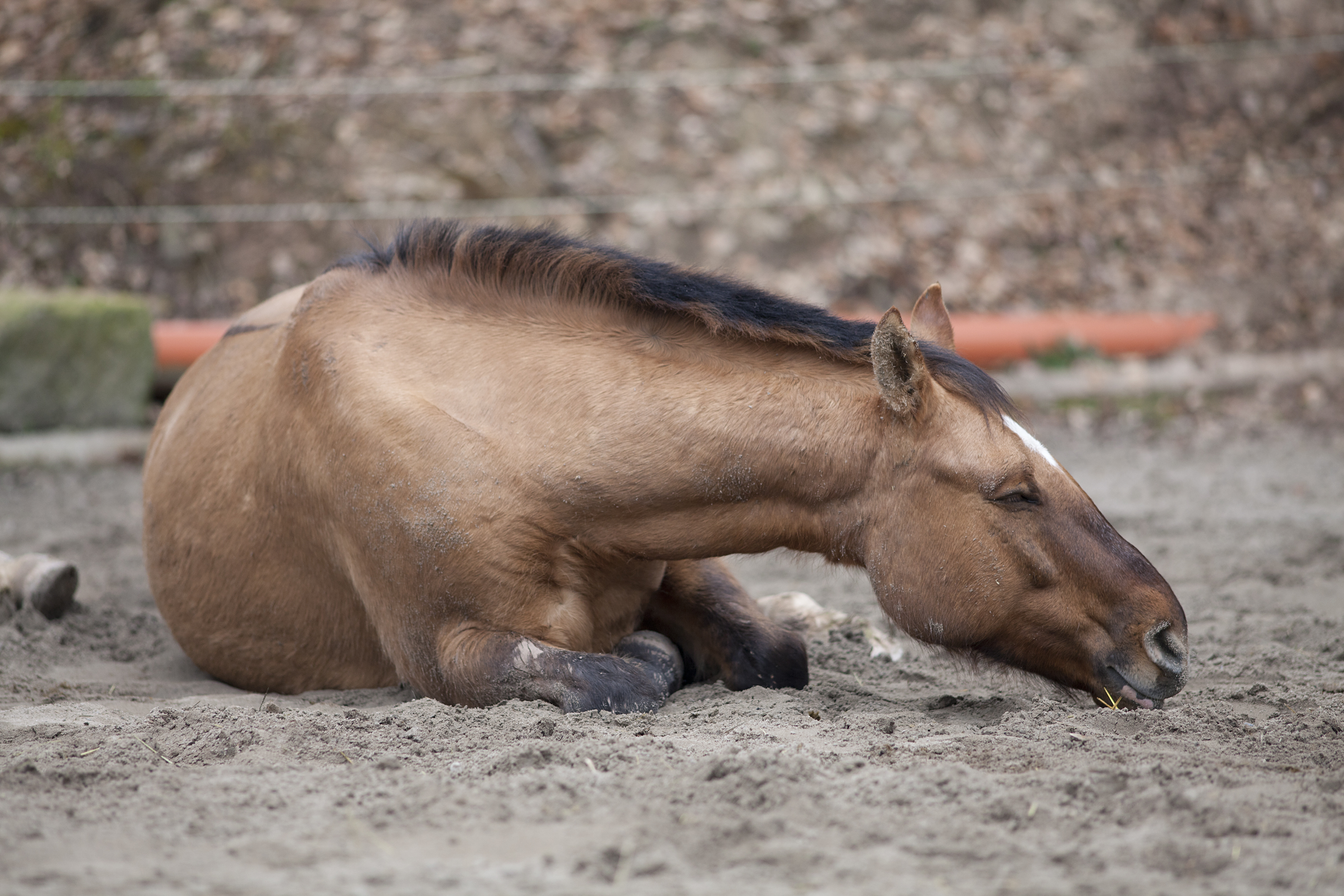
Stress caused by training, environmental or social factors can initiate a physical response leading to deteriorating gut health. Stress is a major cause of gastric ulcers, which in turn are a major cause of poor health and wellbeing.
To help prevent stress-induced stomach upset, advise customers to:
- Ensure they are providing as much turnout as they are able to.
- Their horse should be fit and capable of the work they are required to do.
- Get their horses out and about as much as possible to get them used to traveling and being ridden away from home.
- Use additional gastric supplements for times of high stress.
- Ensure that they have had sufficient forage – hay replacement feeds may be required if they refuse hay/haylage when anxious.
Horse owners need to remember that during winter, turnout/ridden exercise is reduced and temperatures are cooler therefore, horses tend to drink less. This is the perfect combination for impaction colic. Fibre in the gut has the job of retaining water to ensure that digested food can travel through the intestines easily. When this fibre begins to dry out, it blocks the intestine. Food can only enter and exit the cecum (also known as the ‘blind gut’) from the top. If a horse doesn’t have adequate water intake, this can be a common site for impaction colic. Movement helps to keep everything flowing, which is why it’s crucial to not let reduced turnout affect movement levels.
Too much feed, too little feed, too much exercise, too little exercise – finding what works for every horse is time consuming and frustrating. It’s not an easy task and it can be expensive however, for the horse’s best interests, its important owners know that it’s worth doing – to find the balance.