
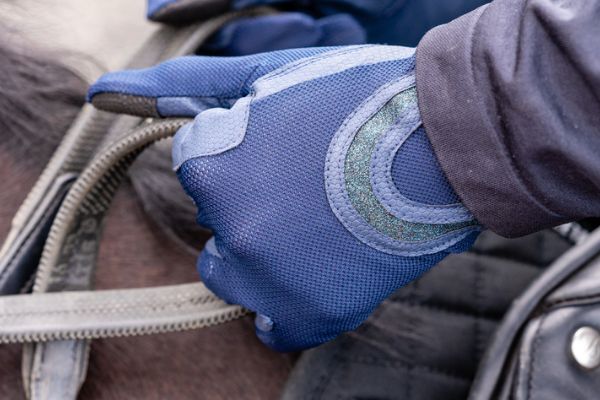
Getting to grips with glove sales
It is important to offer customers a range of horse-riding gloves for the spring season that allow them to perform at their best during the warmer months. By stocking a selection of high-quality gloves, you can help your customers stay comfortable and in control during their rides, even in the warmer weather.
We explore the various types of riding gloves available on the market and discuss the key features to consider when purchasing for your store. We will also provide tips for merchandising and marketing these products to attract and retain loyal customers. Whether you are a seasoned retailer or new to the equestrian industry, this article aims to provide valuable insights and guidance on the ever-evolving world of horse-riding gloves.
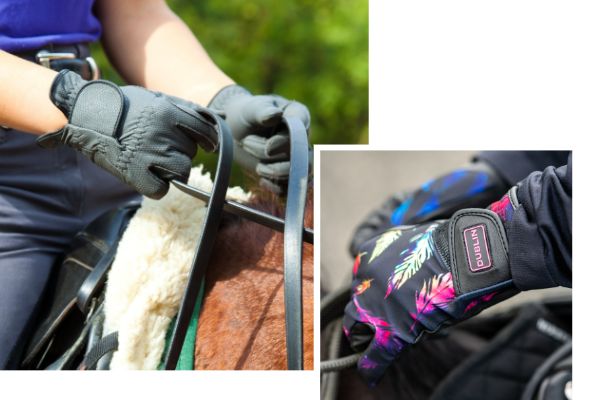
As the weather starts to warm up, it's important for riders to have gloves that are suitable for spring wear. This might mean opting for lighter materials such as leather or synthetic, rather than thick winter gloves. Breathability is also a key factor to consider, as riders may be more active and generate more heat during the spring months. Some riders may also prefer gloves with ventilation panels or mesh inserts to keep their hands cool and comfortable. In terms of style, spring is a great time to incorporate brighter and more colourful gloves into your store's selection. From pastel shades to bold prints, there are plenty of options to choose from to appeal to a wide range of customer tastes. So, it is a good time to consider stocking up on spring-friendly riding gloves to meet the needs of customers.
Technical advances
There have been many developments in the designs and materials of horse-riding gloves in recent years. Some examples of innovations and terms you may come across include:
- Touchscreen fingertips: these allow riders to use their smartphone or other touchscreen devices without removing their gloves.
- Breathable materials: materials such as Spandex and Neoprene can provide a more flexible and breathable fit than traditional leather gloves.
- Waterproof materials: materials such as Gore-Tex and rubber can keep the rider's hands dry in wet conditions.
- Grip patches: special palm and finger patches made from materials such as silicone or rubber can provide extra grip and control while riding.
- Insulated materials: materials such as fleece and Thinsulate can provide warmth and protection in cooler weather.
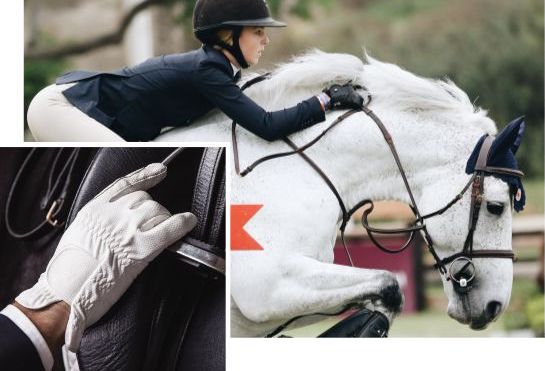

- Streamlined designs: close-fitting designs can allow for maximum precision and control, especially in disciplines such as show jumping and eventing.
- Flexible materials: materials such as Spandex and Neoprene can allow for quick movements in high-speed sports such as polo.
- Synthetic palms: these are made from synthetic materials such as polyurethane or microfibre and offer durability, resistance to wear and tear, and a secure grip on the reins.
- Cooling fabrics: materials like breathable mesh or other moisture-wicking fabrics help to keep hands cool and comfortable during hot weather rides.
- Reinforced stress points: extra reinforcement in areas prone to wear and tear can help to improve the durability of the gloves and ensure they can withstand high-intensity riding conditions.
- Non-slip palms: a non-slip surface on the palms helps to provide a secure grip on the reins and improve control while riding.
- Maximum grip: horse riding gloves with a high level of grip can help riders maintain control and accuracy during various equestrian activities.
- Sensitive control of the reins: a good feel on the reins is important for precise control and communication with the horse, and can be aided by gloves with a non-slip palm and a close fit.
- Breathable mesh: mesh fabric covering the outer hand and thumb can help to improve ventilation and keep hands dry and comfortable.
- Optimum ventilation: ventilation is important for preventing sweating and keeping hands cool and comfortable, especially in hot weather.
- Sustainable materials: some companies are using recycled materials or environmentally-friendly production processes to create more sustainable riding gloves.
Inside story
Glove linings can be an important factor to consider when purchasing horse riding gloves. They can provide extra comfort and warmth, and can also help to keep the rider's hands dry and comfortable in different weather conditions. Here are some common types of glove linings:
- Fleece lining: this is a cosy and warm lining that is ideal for chilly weather riding. It can help to keep the rider's hands toasty and comfortable.
- Moisture-wicking lining: this type of lining is designed to wick moisture away from the skin, keeping the rider's hands dry and comfortable in hot and humid conditions. It can be made from materials such as polyester or Spandex.
- Padded or gel inserts: some gloves have padding or gel inserts in the palms and fingers to help absorb shock and reduce hand fatigue. These can be especially useful for riders who do a lot of jumping or other high-impact activities.
Overall, it is important for riders to choose gloves with the appropriate lining for their needs and the type of riding they will be doing.
Be seen to be sold
Having chosen your stock, it is important to consider how you can effectively merchandise and market it to your customers. Here are some tips to help you get started:
Know your target market
It is important to understand the needs and preferences of your target market in order to select the right gloves and marketing strategies. For example, if you are targeting beginner riders, you might want to focus on gloves with simple, easy-to-use features, while more advanced riders might be interested in gloves with more specialised features such as grip patches or touchscreen compatibility.
Offer a range of options
Customers have different preferences when it comes to gloves, so it is important to offer a range of options in terms of materials, colours, sizes, and features. This will help you appeal to a wider customer base and increase the chances of making a sale.
Display gloves prominently
Make sure your gloves are visible and easy to find in your store. Consider displaying them in a prominent location, such as near the cash register or in a high-traffic area. You can also use signage or other visual merchandising techniques to draw attention to your gloves.
Use social media
Social media is a powerful tool for promoting your horse riding gloves. Share pictures and videos of your gloves in action, as well as customer reviews and testimonials. You can also use social media to share special deals or promotions, or to announce new products.
Offer discounts and promotions
Customers love a good deal, so consider offering discounts or promotions on your gloves to encourage sales. You can offer discounts for bulk purchases, or for customers who sign up for your email list or follow you on social media.
Sub-sub heading
If a customer is interested in purchasing gloves, they might also be interested in other equestrian gear, such as helmet covers or saddle pads. Consider offering these items as a bundle or as a cross-selling opportunity.
In summary
Horse riding gloves are an essential piece of equipment for any rider, and it's important for retailers to offer a range of high-quality options to meet the needs of their customers. By stocking modern, technically advanced gloves that offer features like breathability, grip, protection, touch-screen compatibility, and a close, flexible fit, retailers can help their customers stay comfortable and in control while riding, no matter the season. With a range of styles and materials to choose from, retailers can help their customers find the perfect gloves to suit their individual preferences.