

Mind matters – a hidden aspect of horse health
Mental health in horses is just as important as their physical wellbeing, yet it's often overlooked. Recognising signs of stress and boredom is essential. Equally important is implementing enriching activities. This holistic approach to equine care is particularly vital for horses stabled for long periods during the winter months.
In their natural habitat, horses are often found grazing, exploring, and interacting with their herd. This constant movement and social interaction mean they rarely experience boredom, unlike many horses that are kept in stables or under managed conditions.
It's clearly understood that several factors can lead to the development of stereotypic behaviours in horses. These include the duration of stable confinement, limited grazing opportunities, the frequency and method of hay feeding, and restricted interaction with other horses. Common behaviours indicating reduced welfare in horses include box-walking, weaving, and crib-biting.
However, it's not just stabling that can cause these issues. Even horses with access to turnout can experience similar problems. This is partly because their diet and feeding times are still controlled by humans, and their access to pasture can sometimes be limited, making their diet comparable to that of stabled horses
Key topics
When addressing equine boredom, there are three key points to highlight:
1. Horse owners genuinely want their horses to be content.
2. While horses aren't compelled to engage with toys, many seem to enjoy such activities.
3. These resulting interactions provide valuable insights into equine behaviour.
Reflecting the natural environment
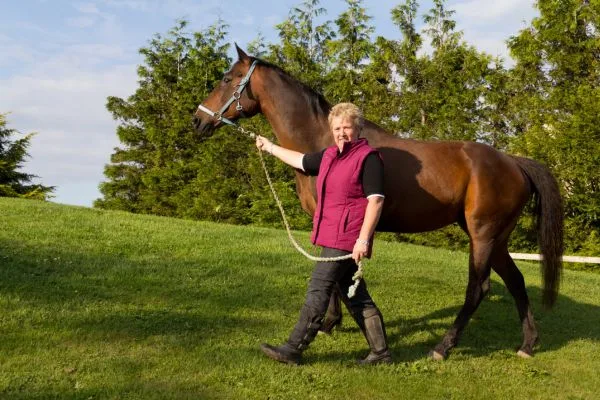
In the wild, horses typically spend up to 19 hours a day foraging. Many livery yards and equestrian centres strive to provide daily turnout, even if it's brief, but sometimes conditions like poor weather can restrict this. In cases of limited turnout, well run yards will take horses for short walks to allow them to pick at any available grass.
Forage is crucial for stabled horses, and many consume their hay rapidly. To slow down this process, some owners use double or even triple-layered haynets. Additionally, various types of hay blocks are becoming popular. These include options like specific grass types, low sugar, and molasses-free varieties. They are convenient and encourage horses to eat from the ground, mimicking natural grazing. This can be particularly beneficial for horses on restricted diets due to weight or health issues.
Managing sugar concerns
Many horse owners are cautious about providing edible toys in stables due to their sugar content. However, concerns about sugar are often overstated. Excessive weight in horses can lead to conditions like laminitis, EMS, or Cushings, often due to undigested starch and sugar in the hindgut. While it's important to monitor sugar levels in a horse's diet, addressing the fundamental issues of the horse's weight and workload is crucial. A horse that is at a healthy weight and condition for its breed and size, and that gets regular exercise, can usually handle the sugar in a well-balanced diet.
It's nearly impossible to completely avoid sugar since most feed ingredients are plant-based and naturally contain some sugar. Horses have evolved to digest sugar effectively when it's consumed in small, frequent amounts, such as through grazing or using a lick toy. It's important to consider not just the sugar content in feed but also the feeding rate. A higher percentage of sugar in the feed doesn't necessarily mean a higher sugar intake if the feed is given correctly.

Exploring stable toys
Stable toys are a useful tool in preventing boredom in horses. However, it's common for owners to notice their horses losing interest in toys, similar to how children might tire of certain playthings. To maximise the benefits of stable toys, it's crucial to introduce them to the horse by hand initially and ensure they are positioned correctly. For hanging toys, this means suspending them in a way that allows the treat element to swing freely and not be trapped against a wall.
When selecting a toy, it's also important to consider the horse's personality. Selecting a toy that matches the individual horse's character, that also offers varying levels of challenge is key. Variety is also vital - alternating between sweet and salt licks, for instance, can keep the horse engaged.
Balls are another popular choice among horse owners. Many share experiences of their horses playing with balls in riding arenas or paddocks. While no horse is reported to aim for goal-kicks, passing the ball is a common activity. The best balls for horses are made from durable materials, are resistant to deflation, come in various colours, and some are even scented. Each horse interacts with these toys in its own unique way, whether it's kicking, throwing, or carrying them.
Balls that integrate treats are particularly effective, aligning with a horse's instinctual feeding habits. Feeding balls are excellent for prolonging feeding times and promoting natural foraging behaviours. They are particularly beneficial for horses that eat quickly or are on a restricted diet. It's advisable to choose a ball that releases a limited amount of food at a time. Some toys have internal mechanisms that help to control food dispersion as it rolls.
DIY toys
In addition to commercially available toys, stable staff and horse owners often devise ingenious solutions. For instance, a bucket half-filled with water and floating apple pieces can engage a horse. However, some horses quickly learn to tip the bucket for easier access to the treats. Similarly, hanging apple and carrot pieces on a string can keep a horse occupied for extended periods.
Incorporating toys and treats into a broader strategy to alleviate stable boredom is essential. A horse confined indoors without a view is more likely to experience boredom than one with a view of the outside. Some yard managers break exercise into two sessions, allowing horses to go out both in the morning and afternoon. Additionally, there are anecdotes of cats entertaining stabled horses, and one owner even mentioned her horse enjoys listening to music, given there are no nearby neighbours to be disturbed by the sound!
The importance of companionship and stable mirrors
As herd animals, horses naturally seek the company of their own kind. This instinctual need for companionship plays a crucial role in their mental health. Horses that interact with others exhibit fewer signs of stress and boredom, leading to a more balanced and content state of mind. Providing opportunities for social interaction, whether in a shared pasture or through adjacent stabling, can significantly improve a horse's wellbeing.
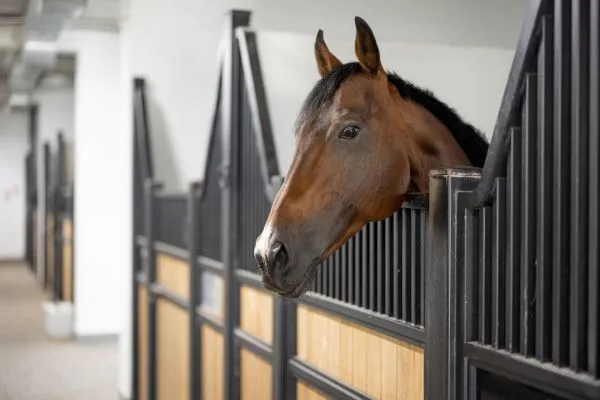
In situations where direct contact with other horses isn't possible, horse-safe stable mirrors can be an effective alternative. These mirrors can help reduce stress and anxiety in horses by giving the illusion of another horse's presence. This can be particularly beneficial for horses that spend long periods in stables. The reflection can create a sense of companionship, helping to alleviate feelings of isolation. However, it's important to introduce stable mirrors carefully and monitor the horse's reaction to ensure a positive outcome.
Nutrition and mental health
The link between nutrition and mental health in horses is a critical aspect of their overall wellbeing. A balanced diet plays a significant role in influencing a horse's mood and stress levels. Just as in humans, the food a horse consumes can affect its brain chemistry, impacting emotions and behaviour.
Firstly, the type of feed and its nutritional content can directly influence a horse's energy levels and temperament. For instance, diets high in sugar and starch can lead to spikes in energy, often followed by sudden drops, which can cause mood swings and erratic behaviour. On the other hand, a diet rich in fibre, mimicking a natural foraging diet, can promote a more consistent energy level, leading to a calmer and more stable mood.
The frequency and regularity of feeding are also crucial. Horses are designed to graze and have a constant intake of food. Long periods without food can lead to stress and anxiety, which can manifest as physical health issues like gastric ulcers, further impacting their mental state. Implementing a feeding schedule that allows for regular, small meals can help maintain a stable digestive system and reduce stress.
Additionally, certain nutrients have a direct impact on a horse's mental health. For example, magnesium and omega-3 fatty acids are known for their calming effects and can help manage stress and anxiety in horses. Ensuring that a horse's diet includes these essential nutrients can contribute to a more balanced and relaxed temperament.