

Rider safety and innovation
In the dynamic world of equestrian sports, leisure riders form a unique and diverse community. While they might not be in the saddle as frequently as professionals, their safety is equally important. With a landscape of evolving standards and technological advancements, how are manufacturers ensuring that the occasional rider is both protected and comfortable?
We spoke to Dr Ben Hanna, Production Engineer at Finest Brands International, home of the Champion brand of rider safety products to explore the nuances of safety equipment tailored for the leisure rider, balancing the demands of occasional rides with the uncompromising need for protection.
Safety standards for leisure and professional riders
Q: Have safety standards changed for leisure riders in the past 10 years, and do they differ from professional standards? Is there evidence that leisure riders are more readily adopting everyday safety equipment?
A: Safety standards in equestrian equipment do not differentiate between leisure and professional riders. This is because all riders, regardless of their level, face similar risks of accidents. Creating separate standards for different types of riders could lead to confusion. Riders might end up using equipment that is not appropriate for their activities, increasing their risk of accidents.
While professional bodies may require specific standards for riders in competitions, leisure riders have more freedom to choose their own equipment. However, they should consider the type of riding they will be doing. For example, if they plan to go hacking and jump over logs, then using equipment suitable for cross-country riding, such as a skull cap and a back protector, would be advisable.
There is no specific evidence to suggest that leisure riders are adopting safety equipment more readily for everyday use. However, the importance of using appropriate safety gear applies to all riders, whether they are riding professionally or for leisure. Champion recommends PAS 015:2011 for helmets, BS EN 13158:2018 and BETA level 3 for body protectors and EN 1621-2:2014 Level 2 for back protectors.
Benefits of technology integration for all riders
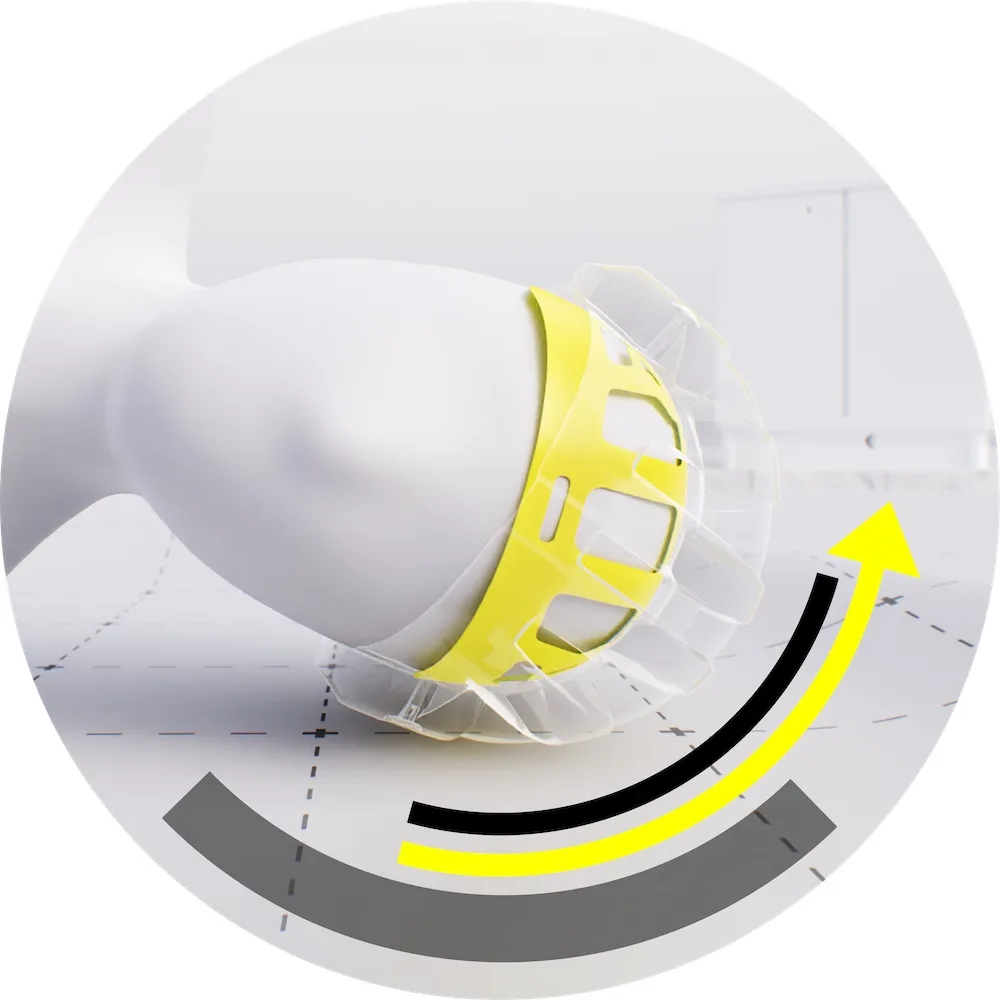
Q: Can leisure riders benefit from technologies like MIPS, and are these technologies as important for occasional riders as for professionals?
A: All riders can benefit from MIPS technology. While professional riders may be at greater risk of injury compared to casual riders due to the frequency they ride, anyone can suffer a serious fall. MIPS works the same no matter the rider.
MIPS is integrated across our price range, meaning we have included MIPS in entry-level products and above, to make it more accessible to a wider audience as well as children.
Champion is always on the lookout for technology that improves rider safety and is committed to making it available to every rider.
Design choices for leisure riders
Q. What inspires the design choices for products aimed at leisure riders? How do you balance aesthetics with practicality for this group?
A. Champion starts from a safety-first premise. We design to exceed the standard requirements, and then look to aesthetics. With helmets, this largely comes down to the colours and we look at popular trends in the market and provide those for our customers. Market research is a key factor for developing any new collections and with a large number of our customers believed to be leisure riders, we aim to ensure we are producing a fun but safe product for them.
Comfort Vs. safety for leisure
Q. Leisure riders might not wear their equipment as frequently as professionals. How do you ensure they experience maximum comfort without compromising on safety?
Comfort is vital to safety, if a hat is too uncomfortable to be worn regularly, if at all, then it doesn't matter how well it performs. As part of the design process, we test our helmets, and other PPE on a wide range of people to ensure they provide a consistent and comfortable fit.
We have two types of hat shape which are available across different styles, these are round and oval, as well as dial fit options which means we can cater for a variety of head shapes, sizes and hair styles. We also produce 45 sizes of the Ti22 Body Protector to ensure maximum safety, comfort and fit – as all are closely connected.
Innovative materials for casual riding

Q. Can you elaborate on materials or designs that are particularly suited for leisure riders, like the Sculpt back protector which uses removable foam protection so that the garment is machine washable?
A. All materials are chosen based on performance needs as first and foremost they need to pass testing and be suitable in a sporting environment. Consideration is made at the design stage for useful features such as removable hat liners, and the removable foam for the Sculpt, for washing. The ability to keep products fresh ensures our customers can stay comfortable in the saddle.
The Sculpt and Ti22 also feature the Airflow heat release system which makes the garment as breathable as possible and helping riders to stay cool. Venting is used in helmets to achieve the same result. These features are integrated into the design to balance safety and practicality.
Affordability
Q. How do you ensure that safety equipment remains affordable for leisure riders, considering they might not have the budget or frequency of use as professionals?
A. Every helmet product Champion offers has been tested to the same higher industry standard level PAS 015:2011. In some cases, a select style will be produced and tested to a higher standard, such as SNELL, which is for a specific audience.
Care is taken in the choice of components used in helmets to minimise cost to the end user while not placing them at a higher risk of injury. Across the range there are entry-level helmets with less expensive materials used (without compromising on safety), and more expensive helmets with premium materials used. All products are created equally regarding safety and testing, and expense is purely based on aesthetic elements.
Hand-me-downs for leisure riders
Q: With leisure riders potentially sharing equipment with families or friends, what are the risks and recommendations around using 'hand-me-down' safety equipment?
A: It is strongly recommended that families or friends do not share helmets or use hand-me-downs for several reasons. Firstly, individual fit is vital to safety and what fits one rider may not fit another. For a riding helmet to protect the head most effectively, it must fit properly, and it is always recommended that a fitting is done by somebody who is trained. If a helmet doesn't fit correctly, it may cause injury to areas such as the nose or neck during certain types of head impacts.
Secondly, helmets age over time and may need replacing even if they haven’t been involved in a serious fall. It’s important to remember that a helmet may look okay from the outside but may have internal damage.
Body protectors will need to be checked to ensure they fit correctly and whether they meet the latest standard. Fitting guidelines for both body protectors and helmets can be found on the Champion website.
Regular checks for infrequent use
Q: How often should leisure riders, who might not ride as frequently, check their equipment for wear and tear or to ensure they meet current safety standards?
A: Riding hats and body/back protectors should be checked for wear and tear every time they are used. Due to the nature of how a riding hat works, it cannot be fully checked for wear and tear as the foam is internal. Therefore, it is recommended that riders replace helmets every three years if used regularly (several times a week) and every five years if used infrequently. Body protectors should be replaced every five years.
Each time a new safety standard is released, riders should check whether their equipment meets the standard. Standards are typically updated every couple of years, as opposed to months, and the rider will usually be made aware of the change through their riding school, Pony/Riding Club, or a discipline’s governing body.
Safety Standard information can always be found on the BETA official website.