
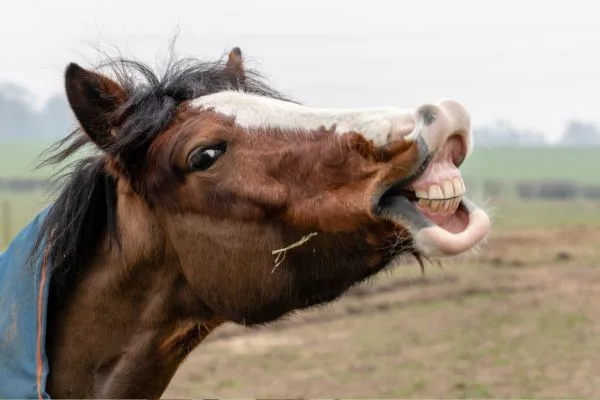
Solving the puzzle of picky eaters
For both horse owners and equine professionals working within the industry, understanding the complexities of fussy feeders is essential. This issue is more than just a minor inconvenience; it can have profound implications on horse health and wellbeing.
Fussy feeding behaviour in horses can stem from a variety of factors, ranging from health issues to environmental changes. When a horse exhibits reluctance or inconsistency in its feeding habits, it can be a signal of underlying problems that need immediate attention.
From a business perspective, the ability to provide solutions for fussy feeders is invaluable. Horse owners often seek advice and products that can help manage this issue effectively. Moreover, fussy feeding can lead to significant health concerns such as weight loss, nutritional deficiencies, and stress, which in turn can affect a horse's performance, behaviour, and overall quality of life, making it a critical issue for horse owners.
Understanding the causes
- Underlying health issues
A reluctance to eat, often termed ‘fussy feeding’, can frequently be traced back to various health-related issues. Illnesses, even those not directly related to the digestive system, can suppress a horse's appetite. Dental problems are particularly significant; horses with dental pain or discomfort may find eating difficult or painful, leading to a decrease in feed intake. Equine Cushing's disease, or Pituitary Pars Intermedia Dysfunction (PPID), is another condition that can affect feeding behaviour. Additionally, gut discomfort, including conditions like gastric ulcers, can make the act of eating unpleasant for the horse. These health issues require veterinary diagnosis and intervention, highlighting the importance of regular health check-ups.
- Impact of medication and supplements on feed taste
Medications and supplements, while often necessary for a horse's health, can inadvertently cause changes in the taste or palatability of feed. Some horses are particularly sensitive to these changes and may refuse feed that has been altered in taste. This poses a challenge for horse owners trying to ensure their horses receive the necessary medication or supplements. Manufacturers and retailers can assist by offering products that are designed to be palatable or by suggesting ways to mask the taste of medications.
- Feed hygiene
Feed hygiene plays a crucial role in a horse's willingness to eat. Spoiled feed, which can result from improper storage or handling, is not only unappetising but also poses a health risk. Similarly, feeding equipment that is not regularly cleaned can accumulate bacteria and remnants of old feed, leading to a decrease in feed palatability and potential health hazards. Educating customers on proper feed storage and the importance of clean feeding equipment is vital. Retailers can contribute by providing high-quality, easy-to-clean feeding equipment and storage solutions, ensuring that feed hygiene is maintained at optimal levels.
Social dynamics
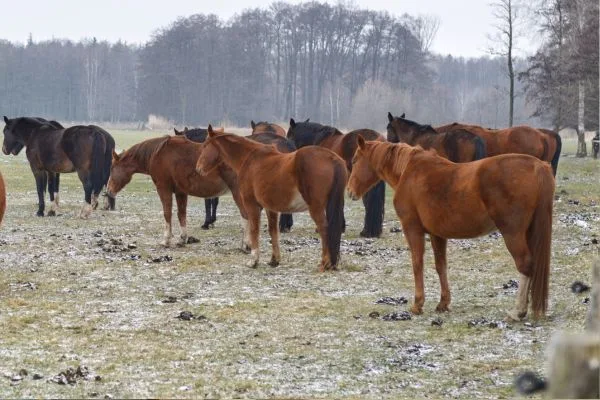
The social environment of a horse can greatly influence its eating habits. In herd settings, horses establish a pecking order that can affect access to food. Horses lower in the hierarchy may be bullied or prevented from accessing feed, leading to irregular eating patterns. This issue is particularly prevalent in group feeding scenarios. Providing advice on feeding management in group settings, such as ensuring multiple feeding stations or recommending feeds that are quick to consume, can help mitigate the impact of social dynamics on feeding behaviour.
Seasonal variations in grazing and appetite
Seasonal changes can also play a significant role in a horse's feeding behaviour. In winter, when grass is scarce, horses might rely more on their supplementary feed, which may require adjustments in the type and quantity of feed provided. Understanding these seasonal variations is crucial for advising customers on appropriate feeding strategies.
Practical tips for managing fussy feeders
- Feed storage
Proper feed storage is paramount in maintaining the quality and palatability of horse feed. Stress the importance of storing feed in a cool, dry place to prevent spoilage. Feed bins should be vermin-proof and clean to avoid contamination. It's also advisable to follow a first-in, first-out system – using older feed before newer stock – to ensure freshness.
- Regular dental health check-ups
Dental health is a critical factor in a horse's ability to eat comfortably. Regular dental check-ups by a qualified equine dental technician or veterinary surgeon can identify and address issues such as sharp edges, missing teeth, or other oral problems that could cause discomfort while eating. Encouraging horse owners to maintain a schedule of regular dental assessments can significantly improve feeding issues. Retailers might consider partnering with equine dental professionals to offer educational materials or services that emphasise the importance of dental health in overall equine care.
- Practical management
Adapting feeding strategies can significantly help manage fussy feeders. Breaking down the daily feed into smaller, more frequent meals can prevent horses from feeling overwhelmed and encourage them to eat their entire ration. Adding warm water to dry feeds can enhance the aroma and palatability, making the feed more appealing. For horses with dental issues or older horses with poor teeth, wetter feeds are easier to chew and digest. These softer feeds can be achieved by soaking cubes or pellets, which also increases water intake, beneficial for the horse's overall health.
Enhancing feed appeal
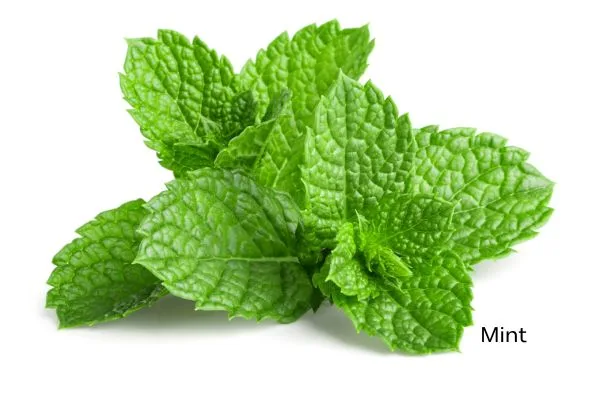
Enhancing the appeal of feed can be a simple yet effective way to encourage fussy eaters. Adding succulents like chopped carrots or apples, or using natural flavours and herbs, can make the feed more enticing. These additions not only improve taste but can also provide additional nutrients. It's important to ensure that any additives are safe for equine consumption and do not interfere with the nutritional balance of the feed.
- Separating medication from regular feed
When horses associate their feed with the unpleasant taste of medication, they may start refusing to eat. To avoid this, administering medication separately from their regular feed can be beneficial. This could involve using a paste or syringe for direct administration.
- Forage variety
Variety in forage can stimulate a horse's interest in eating. Offering different types of hay, haylage, or dried grass can cater to different preferences and encourage fussy eaters. Additionally, changing the locations where forage is provided can stimulate natural foraging behaviour and make eating more engaging. This approach not only addresses fussy feeding but also supports mental wellbeing by encouraging natural behaviours.
Addressing the issue of fussy feeders in horses requires a multifaceted approach, encompassing understanding the underlying causes and implementing practical management strategies. Providing informed advice and quality products to manage these challenges is key. By focusing on aspects such as feed storage, cleanliness, dental health, feeding strategies, enhancing feed appeal, medication management, and forage variety, businesses can significantly contribute help owners to tackle this often-frustrating issue.