


Have you thought about which supplements you are going to stock for spring/summer this year? From coping with poor hoof condition, to managing laminitis to supporting bodily functions; horses require additional supplementation and help during the summer months, despite the challenging times through which we are living due to coronavirus.
Fibre first
Spring grass contains high levels of digestible energy and usually high levels of protein. Vitamin E levels are often extremely good, a vitamin that is usually in very low levels in hay and haylage. This combination leads to horses putting on weight which causes owners to stop hard feed – but is this the best course of action, or do horses still need to be fed additional minerals to balance the grass?
Advise customers that the best way to find out how nutritious their hay or grass is, is to have it tested. Only then will they discover what common minerals their horse might be deficient in as well as how much digestible energy the hay or grass provides, and then they can supplement effectively.
Hormones
The month of May brings with it the beginning of the reproductive season. Stallions are likely to show changes in behaviour and mares will begin their seasons too, if they haven’t already. Sally Howard, Brand Manager for Lincoln Horse Care, explains the benefits of herbal supplementation.
“Nutritionally there are a variety of supplements aimed to maintain comfort and behaviour throughout the oestrus months. Whilst severe cases generally look to medical solutions, herbal nutritional support can be effective in maintaining calmness and consistency of behaviour.”
Retailers might consider stocking supplements that 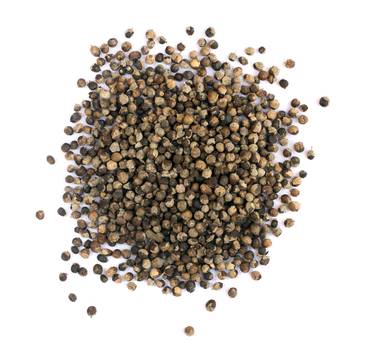 containing Chaste Tree Berry or Agnus Castus, for example, as these are popularly used to help regulate a mare’s hormones.
Vitamin replenishment
Matthew Bell, Sales Manager and SQP for GWF Nutrition advises on the importance of feeding correct vitamins even in the spring.
“With the increase in nutrient content within the grass, many horses don't need a traditional bucket feed, but it is still vital to ensure the essential vitamins, minerals and trace elements are still available. A super concentrated vitamin supplement allows for a very small feeding rate, sometimes even by hand, and is more beneficial than feeding a reduced amount of traditional feed. Super concentrated supplements tend to provide a lower calorie intake making them suitable for good doers. Look out for supplements that also contain the horse’s required trace elements as some of these are a requisite to the absorption or utilisation of the included vitamins and minerals.”
Laminitis support
The best defence against laminitis in the spring/summer is to plan ahead. Matthew advises how best to support an at risk laminitic during the season.
“Being proactive and starting a protection plan early could make a huge difference to a horse or pony's welfare. A laminitis supplement that is formulated to support those prone to, suffering from or recovering from laminitis could play a vital role in a horse’s feeding programme and would ideally include actives to support correct hoof growth, a healthy blood supply and very importantly, promote a healthy gut environment.”
Obesity is one of the biggest triggers for laminitis in the UK. “Owners should be looking to supplement the digestive process whilst avoiding/managing laminitis", says Sally.
“Supplements containing prebiotics and probiotics are popular to support the hindgut bacteria whilst gastric ulcers are always a worry when horses and ponies don’t have access to unlimited grazing/forage, so ulcer support supplements should be considered.”
There are specific supplements for laminitis which offer targeted support in managing laminitics,” continues Sally.
“Key nutritional support is essential to promote the recovery of the internal damage to the hoof caused by laminitis episodes and help improve circulation to damaged laminae. Low nutritional quality hay, or hay soaked to leach out the sugars is often the recommended diet; therefore, balancers and multi-vitamins will be popular for this demographic to replace/balance the essential nutrients.”
Hooves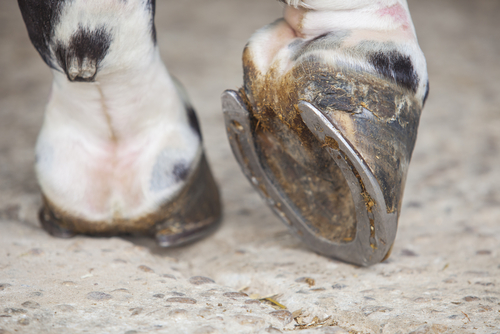
The Dodson & Horrell (D&H) Nutritional Team advises that, “although good quality hoof growth cannot stop flare ups of this debilitating disease, providing nutrients to support the ongoing maintenance of the hoof capsule and sensitive laminae within it is important, and there are many supplements on the market which can achieve this aim. Biotin, methionine, and zinc in combination with seaweed help to provide vitamins and minerals that are crucial in maintaining the integrity of the hoof wall.”
The D&H Team continues, “The laminae is a complex structural and functional element within the hoof capsule that is impacted by the health of several body systems. Along these lines, also look out for products that include nettle and rosehips; nettle is renowned for its support of healthy skin and circulation and rosehips are traditionally used to support a healthy immune system and are a good source of Vitamin C.”
Summer is a time that you will notice many customers reaching for a hoof supplement for other reasons as well as laminitis. As the weather changes from wet to dry repeatedly, it can cause hooves to weaken, crack and split, then leading to ailments such as abscesses too. Sally suggests Biotin as the 'go to' supplement for strengthening hooves from the inside, “It has been scientifically proven that 15mg of Biotin daily improves hoof quality. However, it is important to convey to owners that new hoof takes approximately 9-12 months to grow down from the coronary band, so supplements like this are not a ‘quick fix’ and they should allow time and persistence for results to show.” Customers should be encouraged to think about feeding a hoof supplement before the hot, dry weather hits in order to strengthen the hoof before any damage is done.
Immune system support
It is very common for a horse’s immune system to be affected by the spring/summer months, such as coat bleaching, to pollen allergies and a general increase in inflammatory responses in the body.
Matthew explains why these types of supplements are ideal to help provide immune support for horses, “An increased pollen count and a new influx of biting insects are just two of the areas that can increase a demand on the immune system. A supplement formulated to help support a horse’s natural immune response to possible antagonists from feed and the environment can help alleviate some of these seasonal challenges. In particular a horse will need something that gives anti-inflammatory support - Omega 3 is known for this and can be very beneficial in helping with the inflammation associated with the body's response to an allergen. The source of the Omega 3 and the ratio of Omega 6 within that source are also important. Hemp is an exceptional source of Omega 3, providing an almost perfect ratio of Omega 3 & Omega 6.”
By providing support to the immune system, horse owners will find that the skin and coat of their horse improves too. “Herbal additions which may provide holistic support of the skin and coat, include whole fenugreek, marigold, golden rod, red clover heads, nettle, seaweed, and mint,” adds the D&H Team.
 Ditch the itch
As the weather gets warmer, flies and midges become a nuisance to horse owners. Sally advises on the best feedstuff to help ward off these irritations. “Nutritionally, a lot of owners chose to feed garlic supplements during the fly season, available in a variety of formats including; granules, powder or oils.” Ensure you have a large stock of garlic-based supplements, in many forms to appeal to even the fussiest eater.
“Owners of horses afflicted by seasonal itching, including Sweet Itch, often opt for more specific formulations targeted at itching; aiming to manage the problem from the inside. Straights such as Brewers’ Yeast are also popular during the itchy season. Management of these sort of problems varies with each individual. Many owners will need to be encouraged towards a ‘trial and error’ approach for their individual equine,” concludes Sally.
“To soothe irritations or itchiness from biting insects and mild sensitivities, look for supplements that contain nettle and burdock root that support the maintenance of normal skin and coat, in combination with chamomile which is renowned for its soothing and calming properties,” advises the the D&H Team.
Coronavirus
Like we all know, 2020 has been severely affected by Covid-19. Competitions and all travel have been stopped, but horse owners caring for their horses continue as normal, with only a few potential changes.
Many people have continued to ride/exercise their horse throughout this pandemic, but there are a large number of people that have either had to reduce work levels or stop riding all together. Retailers will consider the impacts this situation will have on the riding community. Many horses will possibly show signs of undesirable behaviour from reduced exercise and spring grass. Consider stocking more calming supplements in varying forms to help customers when they decide to bring their horses back into work – or to support a horse that’s not coping well with a lack of things to do.
The D&H Team advises on herbal remedies for calming, “Chamomile, lemon balm, vervain, and magnesium all help to encourage even temperament, which may help offset fizzy behaviour sometimes caused by changes in weather, workload, and the added calories provided by spring grass.”