

Sustainable selling
The equine industry, like many others, is increasingly moving towards sustainability. This shift is driven by a growing awareness of environmental issues and the desire to reduce the industry's carbon footprint.
Sustainable equine products are those that minimise environmental impact, are ethically sourced, and promote the health and wellbeing of both horses and the planet. These products cover a broad spectrum, including feed, bedding, tack, and grooming supplies, each contributing in its way to a more sustainable lifestyle.
Sustainable products
When considering horse feed and supplements, sustainability often means looking for products made from ingredients that are locally sourced or organic. Locally sourced feed reduces the carbon footprint associated with transportation, while organic products avoid synthetic pesticides and fertilisers that can harm both the environment and the animals consuming them. This approach not only supports the health of the horse but also promotes the health of the land from which these ingredients are sourced.
Bedding is another area where sustainability can be promoted. Eco-friendly bedding options are increasingly available, made from recycled materials or sourced from sustainable forests. Such bedding is biodegradable, breaking down naturally and enriching the soil rather than contributing to landfill waste. This approach benefits not just the immediate environment of the stable, but also has a broader environmental impact.

Tack and equipment present another opportunity to offer sustainable alternatives. Traditional materials, such as leather, when sourced and processed sustainably, can be a long-lasting and environmentally friendly option. Leather produced using vegetable tanning methods, for example, is more environmentally friendly than chemically tanned alternatives. Additionally, synthetic tack made from recycled materials offers a viable alternative for those seeking cruelty-free options. These products not only reduce reliance on virgin resources, but also encourage the recycling of materials that might otherwise go to waste.
When it comes to grooming supplies, products made from natural, biodegradable ingredients that are free from harmful chemicals are increasingly favoured. Shampoos and conditioners made from organic plant extracts are gentler on both horses and the environment. The materials used in grooming tools, such as brushes made from sustainable wood or recycled plastics, also contribute to reducing the overall environmental footprint
Practical approaches
To effectively support customers in making sustainable choices, it’s essential to adopt a multifaceted approach within your retail operations. The journey begins with the careful selection of products. By sourcing a range of sustainable products that cater to various aspects of horse care, you ensure that your customers have access to choices that align with their values. This not only satisfies their immediate needs, but also encourages a broader shift towards sustainable consumption patterns.
Education
It’s not enough to simply stock these products; education plays a crucial role. Many horse owners are eager to make more sustainable choices, but may not be fully aware of the options available to them or the benefits these choices offer. This is where your role as a retailer becomes even more significant. By providing detailed information about the sustainability credentials of the products you stock — whether through in-store displays, online descriptions, or direct customer interactions — you can empower your customers to make informed decisions. Sharing knowledge about how products are made, where materials are sourced, and the environmental impact of their use helps to build trust and loyalty.
The brands you choose to partner with also reflect your commitment to sustainability. Aligning with brands that prioritise ethical sourcing, environmental responsibility, and transparency can enhance your store’s reputation and attract a customer base that values these principles. By promoting these brands prominently, you signal to your customers that sustainability is a priority for your business.
All wrapped up
Packaging is another critical aspect of sustainable retailing. The environmental impact of packaging has become a major concern for consumers, and equine products are no exception. Offering products in bulk, where feasible, can reduce packaging waste, while also considering the use of recyclable, compostable, or reusable packaging materials. Encouraging customers to bring their own containers or bags for purchases can further reduce the need for single-use packaging, making your retail operations more sustainable.
Your commitment to sustainability should extend beyond the products you sell to include the way your business operates. Implementing energy-efficient practices, reducing water usage, and minimising waste in your store, not only reduce your environmental impact, but also set an example for your customers. These practices can also lead to cost savings over time, contributing to the financial sustainability of your business.
Building a community around sustainability is another effective strategy. By creating a space where horse owners can share their experiences and learn from each other, you foster a sense of belonging and loyalty. Hosting events such as tack swaps, where customers can exchange high-quality used equipment, or workshops on sustainable horse care, can strengthen these community ties and position your store as a hub for sustainable equine practices.
Supporting customers with advice
In addition to offering sustainable products, providing your customers with advice on how to care for their horses in an environmentally friendly way is crucial. Horse owners are increasingly aware of the impact their choices have on the environment, and they look to retailers for guidance on how to reduce this impact.
One of the key areas where you can offer support is in promoting mindful consumption. Encourage your customers to focus on quality over quantity when it comes to horse care products. High-quality, durable items that last longer not only reduce the need for frequent replacements, but also minimise waste and resource consumption. This approach is not only environmentally responsible, but also cost-effective in the long run.
Sustainable horse care practices, such as using natural fly repellents or composting manure, can significantly reduce the environmental impact of horse ownership. Offering advice on these practices can help your customers make more sustainable choices in their daily routines. For instance, natural grazing practices, like rotational grazing, can improve pasture health and reduce supplemental feed, which in turn reduces the carbon footprint associated with horse care.
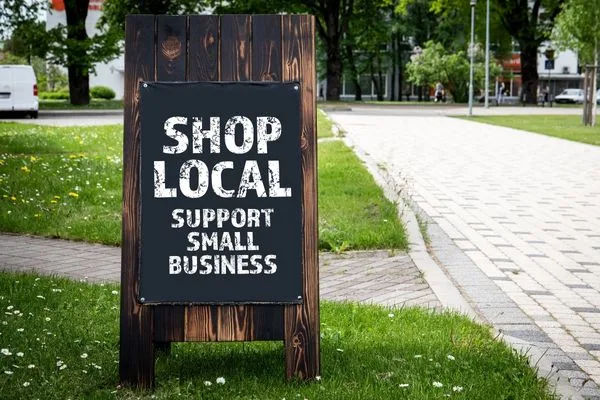
Supporting local suppliers and promoting the benefits of locally sourced goods is another area where you can provide valuable advice. Locally sourced feed, bedding, and other products typically have a lower carbon footprint due to reduced transportation distances. Additionally, supporting local suppliers helps boost the local economy and fosters a sense of community, which can be particularly meaningful for horse owners who often rely on close-knit networks for support and advice.
Finally, encouraging your customers to think creatively about reducing waste can make a significant difference. Whether it’s repurposing feed bags for storage, choosing biodegradable bedding, or finding new uses for old tack, these small changes can add up to a significant environmental benefit.
The business benefits
Embracing sustainable selling in your equine retail business offers numerous benefits beyond the immediate environmental impact. Aligning your store with the values of an increasingly environmentally conscious consumer base helps attract and retain loyal customers who are seeking retailers that reflect their values. Moreover, sustainable selling can differentiate your business from competitors, especially as demand for eco-friendly products continues to grow. Positioning your store as a leader in sustainability enhances your brand’s reputation and opens up new opportunities for growth and innovation. Adopting sustainable practices can also lead to long-term cost savings, such as reduced energy consumption and waste management costs. These savings can be reinvested into your business, further enhancing your ability to offer high-quality, sustainable products and services.
Sustainable selling in equine retail is not just a trend; it represents a fundamental shift towards a more responsible and ethical way of doing business. As the equine industry continues to evolve, those who embrace sustainability will be well-positioned to thrive in the years to come. By committing to sustainable selling now, you are not only contributing to a healthier planet, but also ensuring the long-term success and resilience of your business.